
What to see nearby
6
Researched for this guide and verified sight by sight — walk times below are measured from this stop.
Kurazukuri Street蔵造りの町並み
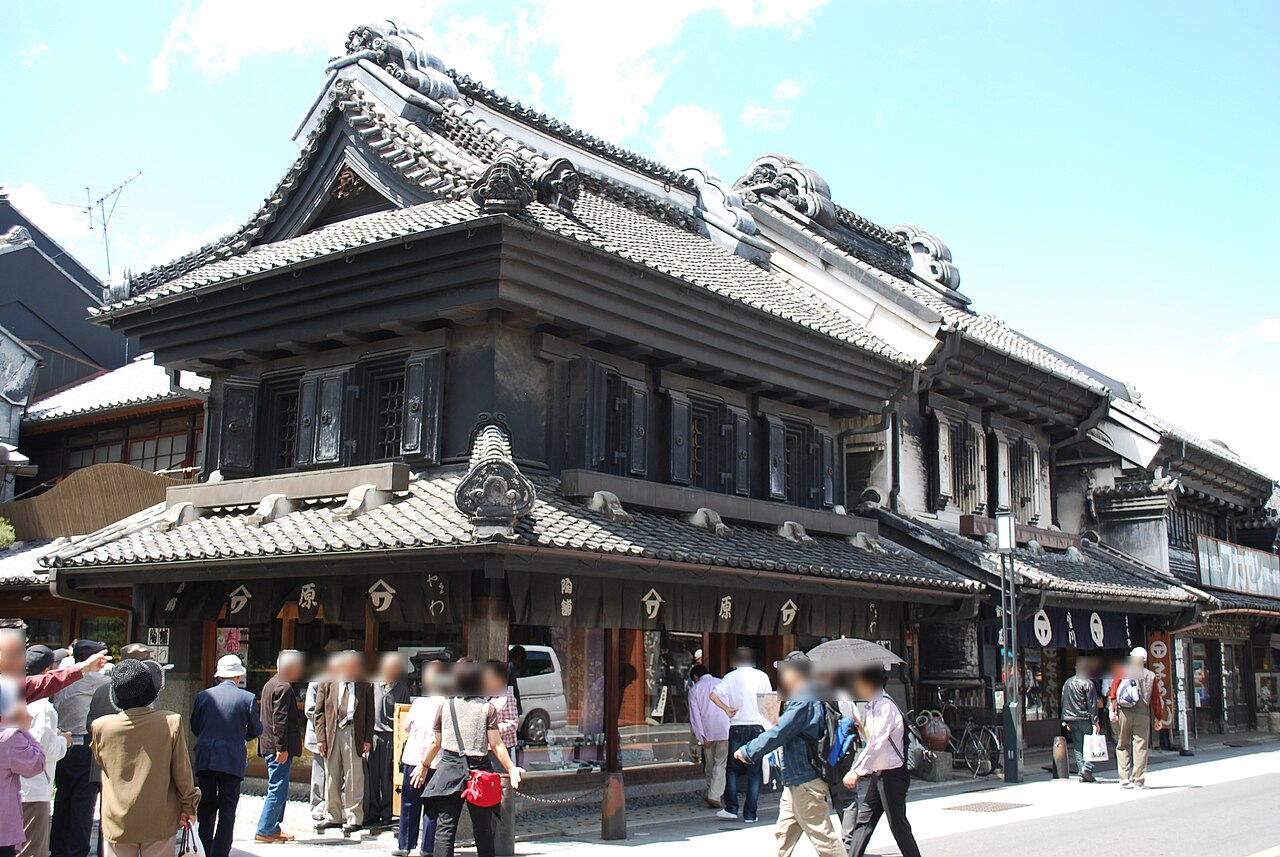
Little Edo’s main street — thick-walled clay merchant warehouses rebuilt fireproof after the great fire of 1893, now a preserved historic district.
≈19 min walkSaiwaichō, Kawagoe, Saitama PrefectureSee on map →
Toki no Kane時の鐘
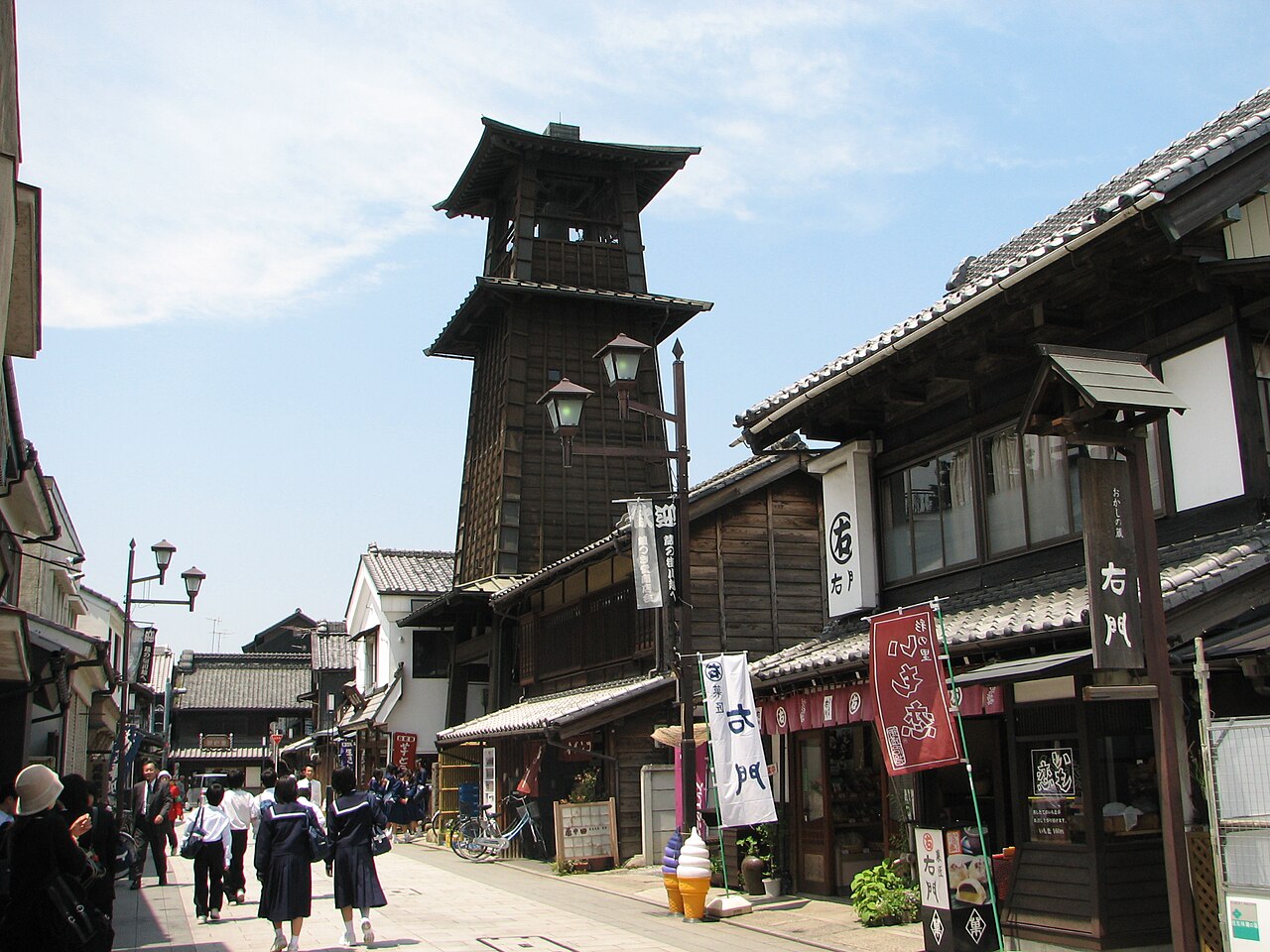
Kawagoe’s wooden bell tower, rebuilt in 1894 the year after the fire; it still tolls over the warehouse roofs at six, noon, three and six.
≈20 min walkKanetsuki-dōri, Kawagoe, Saitama PrefectureSee on map →
Kashiya Yokocho菓子屋横丁
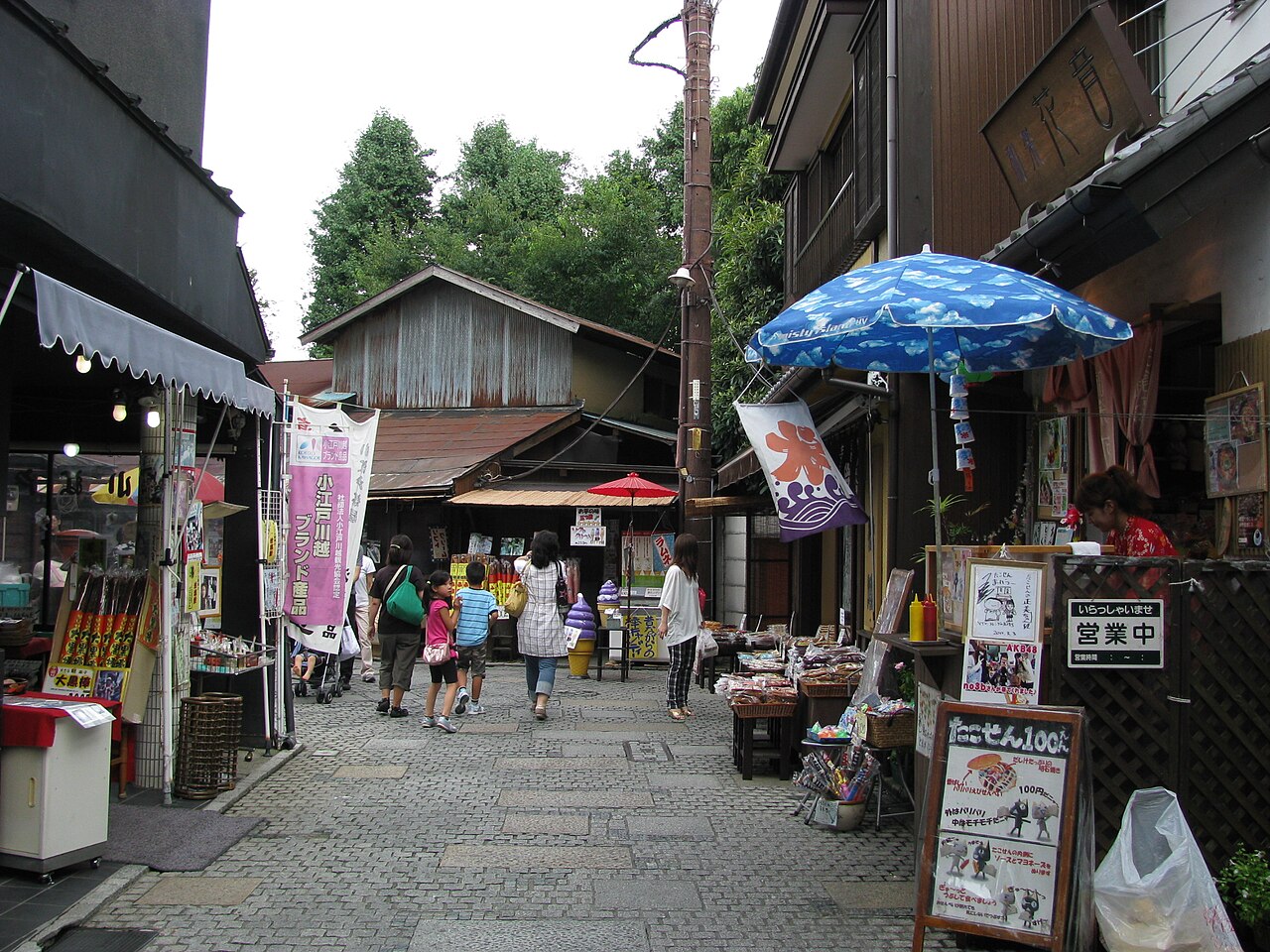
Penny Candy Alley — some thirty sweet shops on a stone lane flecked with coloured glass, selling hand-cut candy, karume-yaki and dagashi.
≈22 min walkKawagoe, Saitama PrefectureSee on map →
Taisho Roman Yume-dori大正浪漫夢通り
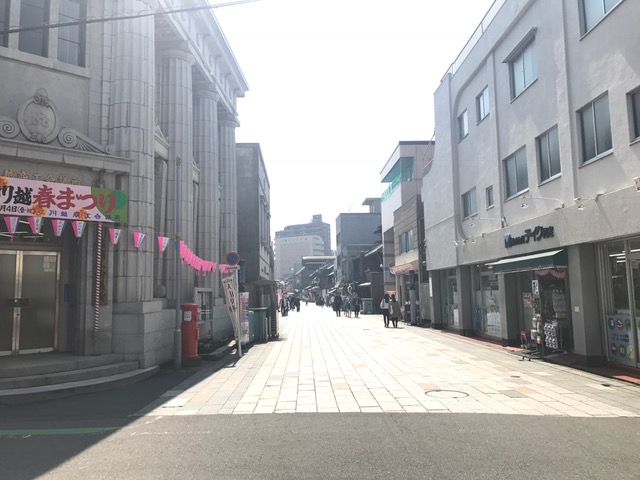
A granite-paved street of Taisho and signboard-architecture facades, revived when its 1960s arcade came down and the wires went underground.
≈14 min walkKawagoe, Saitama PrefectureSee on map →
Kawagoe Hikawa Shrine川越氷川神社
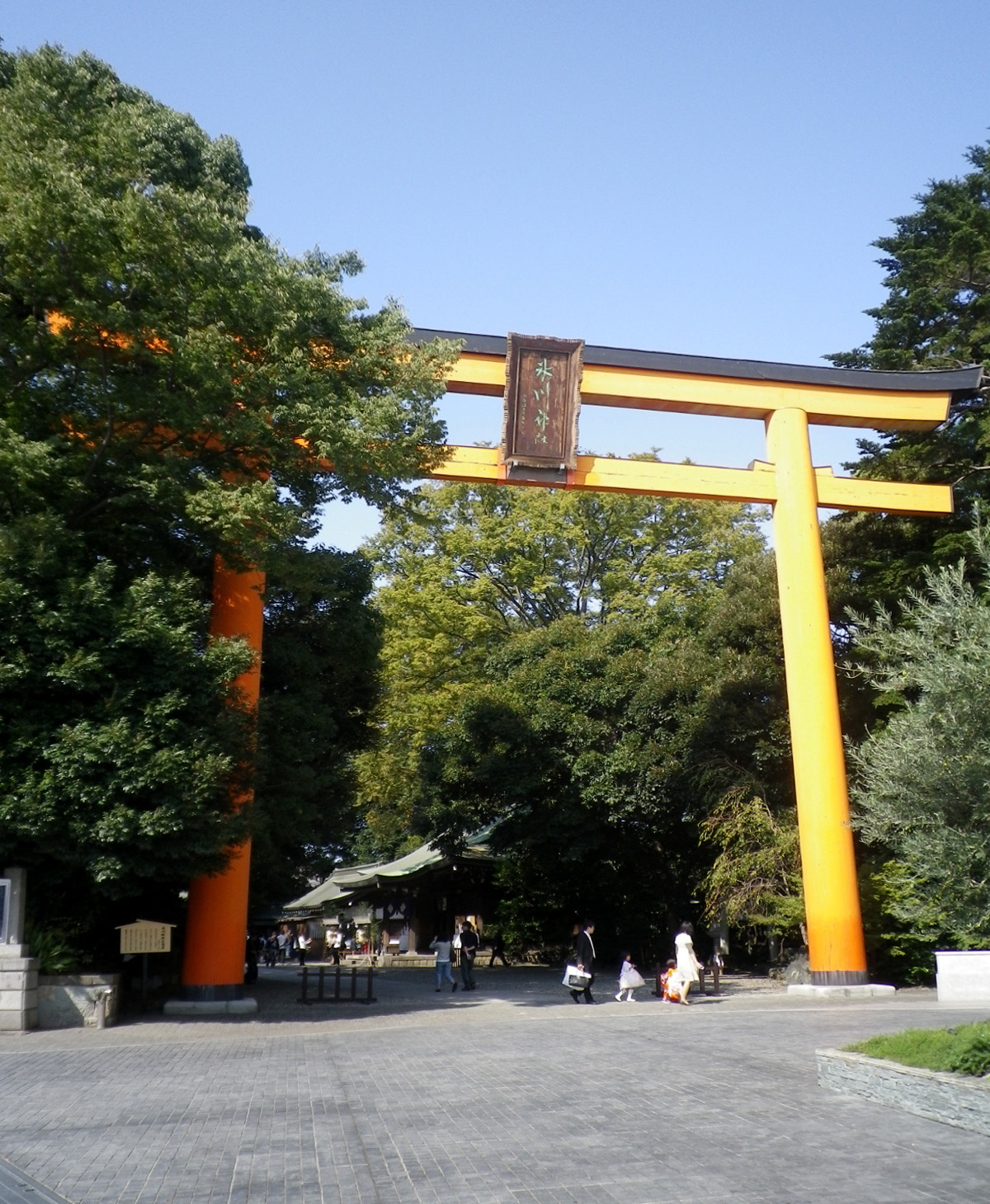
Kawagoe’s guardian shrine and its matchmaker — a tunnel of ema year-round, and some 2,000 Edo wind chimes hung each summer.
≈31 min walkKawagoe-Ageo Line, Kawagoe, Saitama PrefectureSee on map →
Kawagoe Festival Museum川越まつり会館
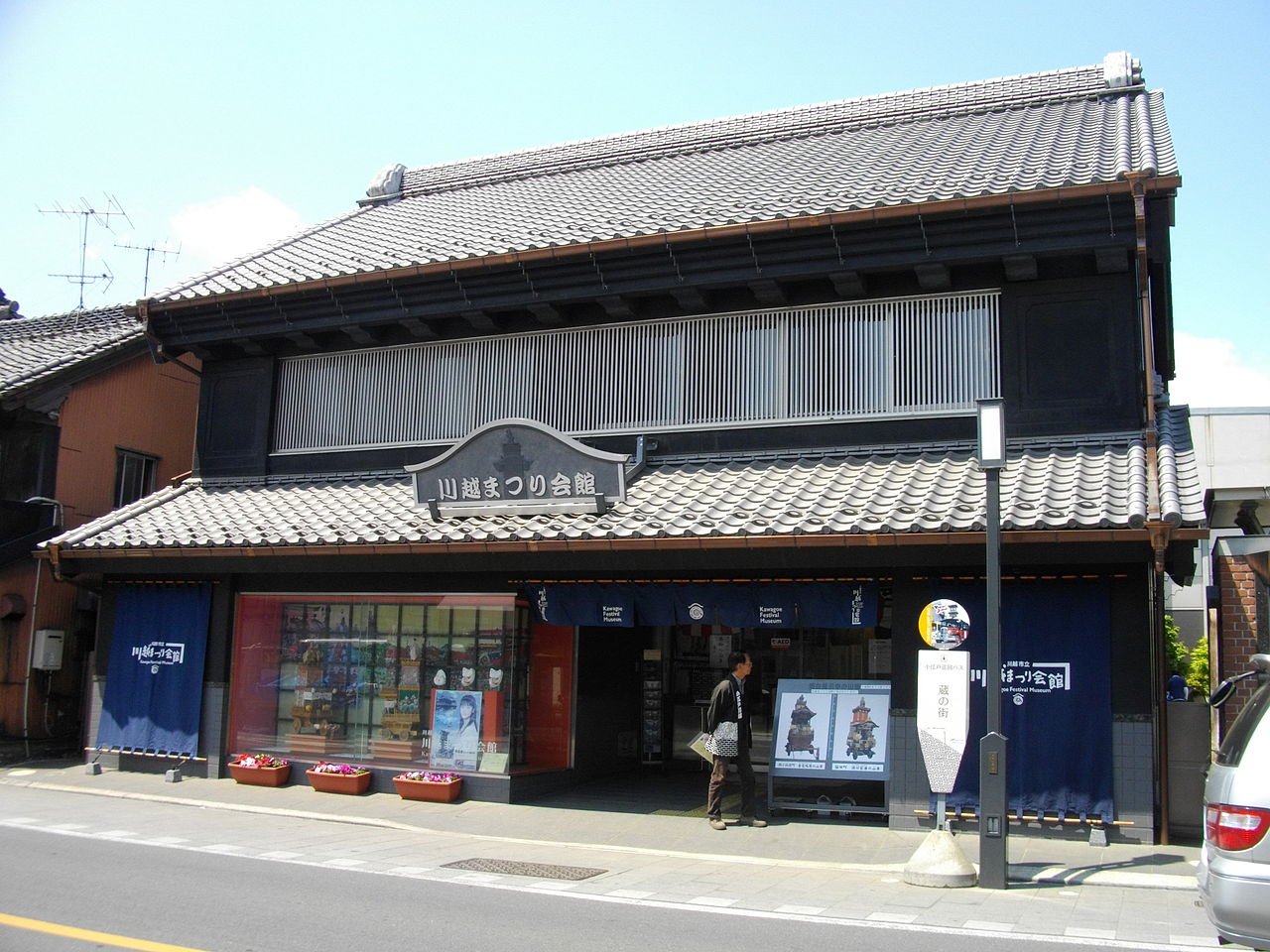
The UNESCO-listed Kawagoe Festival kept indoors year-round — two real floats on rotating display, with live ohayashi performances.
≈22 min walkMotomachi, Kawagoe, Saitama PrefectureSee on map →


On this line
The number on the sign, and the stops either side.
- Seibu-Shinjuku
- Takadanobaba
- Shimo-Ochiai
- Nakai
- Araiyakushi-mae
- Numabukuro
- Nogata
- Toritsu-Kasei
- Saginomiya
- Shimo-Igusa
- Iogi
- Kami-Igusa
- Kami-Shakujii
- Musashi-Seki
- Higashi-Fushimi
- Seibu-Yagisawa
- Tanashi
- Hana-Koganei
- Kodaira
- Kumegawa
- Higashi-Murayama
- Tokorozawa
- Koku-koen
- Shin-Tokorozawa
- Iriso
- Sayamashi
- Shin-Sayama
- Minami-Otsuka
- Hon-Kawagoe
Share bikes
Docked share-bike ports a short walk away. Register in the operator’s app first — the dock itself sells nothing.
HELLO CYCLINGスーパーホテル埼玉・川越~40 m
Port locations and live availability are the operators’ own GBFS data — docomo bike share and OpenStreet (HELLO CYCLING) via the Public Transportation Open Data Center, CC BY 4.0. Ports can be full or empty at any moment; the app is the authority.
Not here yet
Which car to board still isn't here — it exists as posters on the platform and in no open dataset at all. Live service status covers the four Toei lines only, on their line pages: Tokyo Metro's feed is open data, but its terms don't allow passing it on the way this site delivers live information.