
Famous sights nearby
1
Picked from Tokyo's official visitor guide — a short walk or direct exit from this stop.
Shinjuku Gyoen新宿御苑
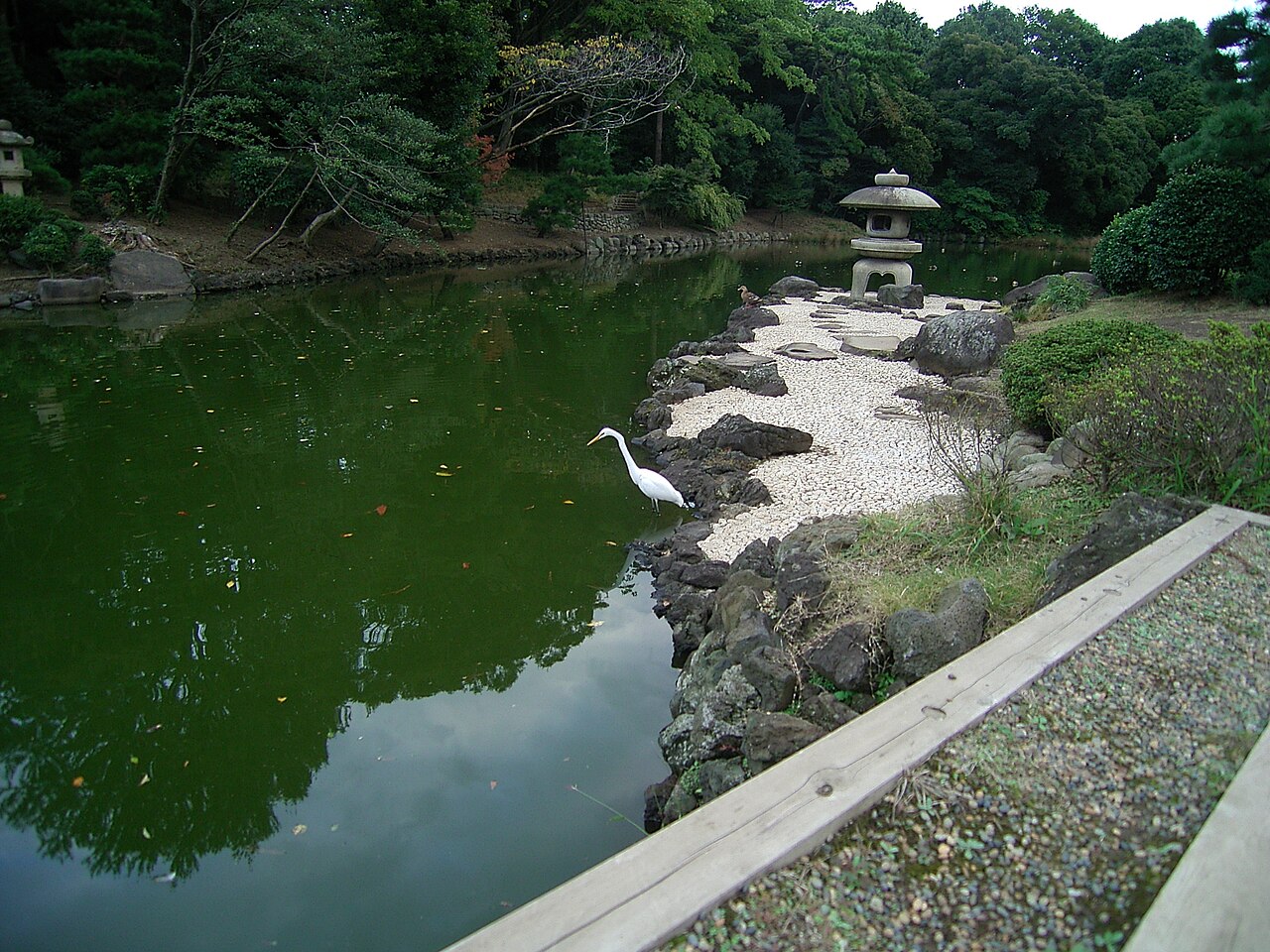
An imperial garden gone public — French, English and Japanese styles in one vast green room.
≈7 min walkShinjuku, TokyoSee on map →
On this line
The number on the sign, and the stops either side.
- M10
Worth a stop nearby
Featured stops a few stations from here — same train, no change.
Exits
Street exits by their posted numbers. Marked exits have a step-free entrance.
- 1
- 2
- 3
Step-free access
- B1FWheelchair-accessible · Ostomate · Baby change
- B1FWheelchair-accessible · Ostomate · Baby change
City buses
Toei buses from stops a short walk away. The code on each chip is what the front of the bus shows.
Shinjuku-Nichōme (Shinjuku 2)新宿二丁目~40 m
- 品97→ Shinagawa Sta. Takanawaguchi (Takanawa Exit)
- 品97→ Shinjuku Sta. Nishiguchi (West Exit)
Flat ¥210 a ride in the 23 wards — board at the front, pay as you get on, IC card or cash.
Three or more rides in a day? The ¥500 one-day Toei bus pass pays for itself — sold on board.
First and last train
Departures from this station. A time after midnight belongs to the night before — 00:20 means tonight, not tomorrow morning.
M-10Marunouchi Line
Ikebukuro
Every day05:03–23:57
Ogikubolast train ends at Shinjuku
Every day05:32–00:26
Shinjuku Gyoen, in the government's words
Quoted verbatim from the Japan Tourism Agency's commentary database. None of it is ours, and none of it has been edited — the licence asks that it not be. Written in 2018.
The land on which Shinjuku Gyoen now stands is one part of a huge estate given to Naito Kiyonari (1555–1608) by Tokugawa Ieyasu (1543–1616) in 1590. Naito Kiyonari was one of the most loyal vassals of Tokugawa Ieyasu, the great feudal lord who at the time ruled this area of eastern Japan from Edo Castle (now the Imperial Palace). In 1590 Japan was close to the end of a period of near constant civil war that had begun in 1467. This area to the west of Edo castle had enormous strategic importance because it is located close to the crossroads of the key highways leading to Kyoto and Osaka, and also to Kamakura in the south, which had been the political capital of Japan from 1185 to 1333. Since guarding the highroads was so important, a huge estate here was given to Naito Kiyonari as his Edo residence. After the great battle of Sekigahara in 1600, Tokugawa Ieyasu reunified Japan and established the Edo shogunate, which ruled Japan from 1603 to 1867.
This English-language text was created by the Japan Tourism Agency.
Not here yet
Which car to board still isn't here — it exists as posters on the platform and in no open dataset at all. Live service status covers the four Toei lines only, on their line pages: Tokyo Metro's realtime feed is licensed in a way this site can't carry.