
Famous sights nearby
5
Picked from Tokyo's official visitor guide — a short walk or direct exit from this stop.
Sensoji浅草寺
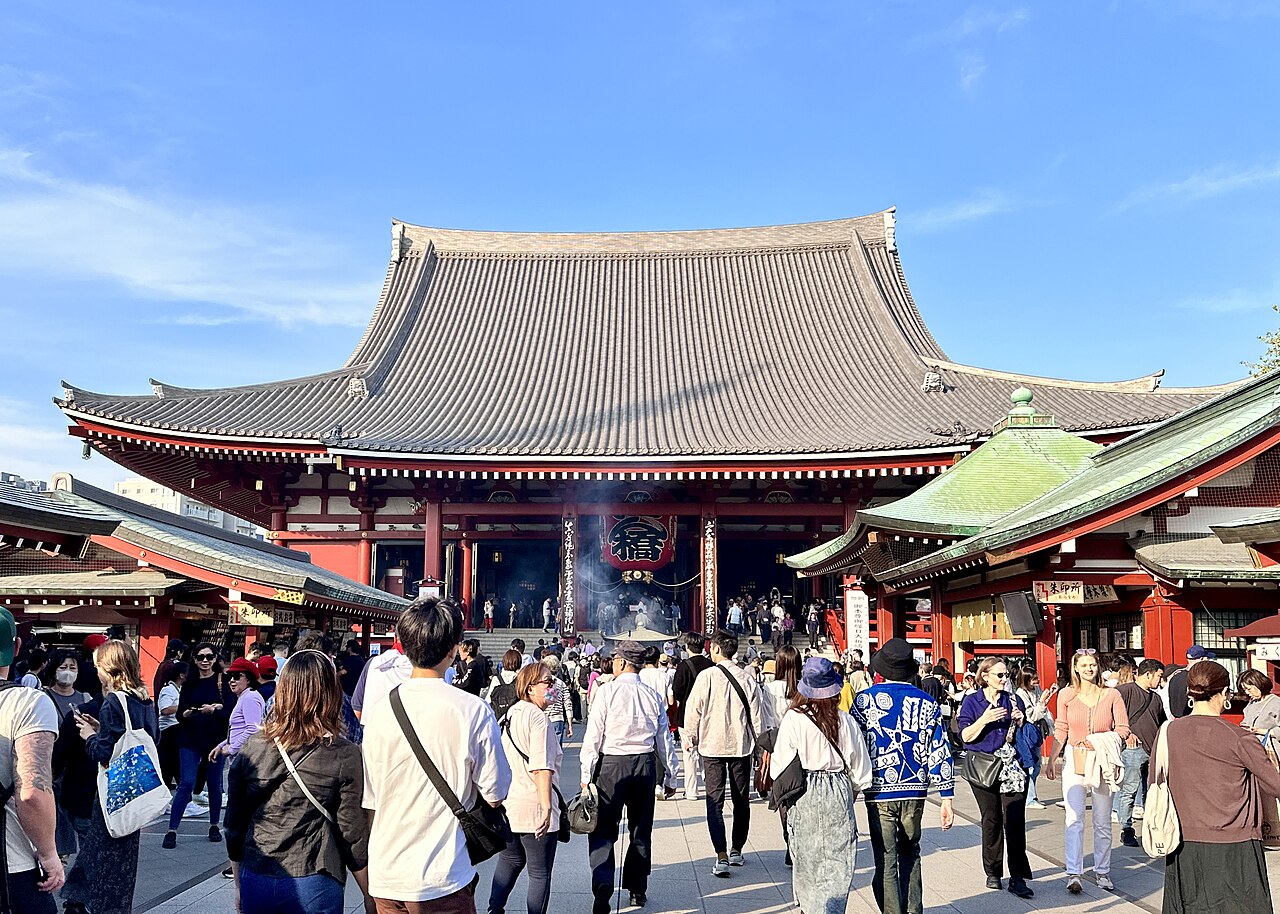
Tokyo’s oldest temple, founded 628 — enter under the great Kaminarimon lantern.
≈12 min walkAsakusa 2, Asakusa, Taito, TokyoSee on map →
Nakamise Shopping Street仲見世商店街
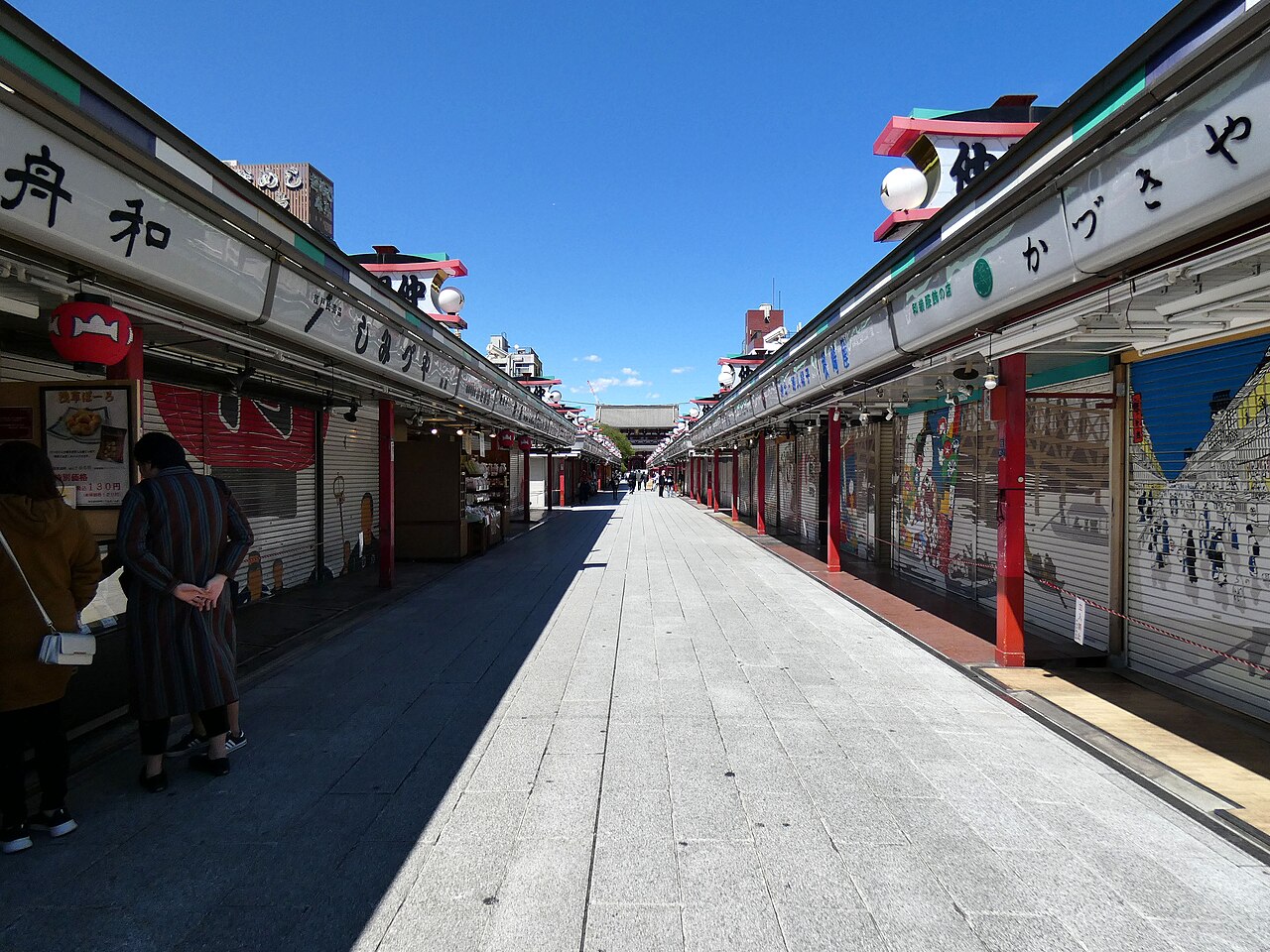
Ninety stalls of snacks and souvenirs on the 250m approach to Sensoji, trading since Edo.
≈5 min walkDenbōin East Street, Asakusa 1, Asakusa, TaitoSee on map →
Asakusa Culture Tourist Information Center浅草文化観光センター
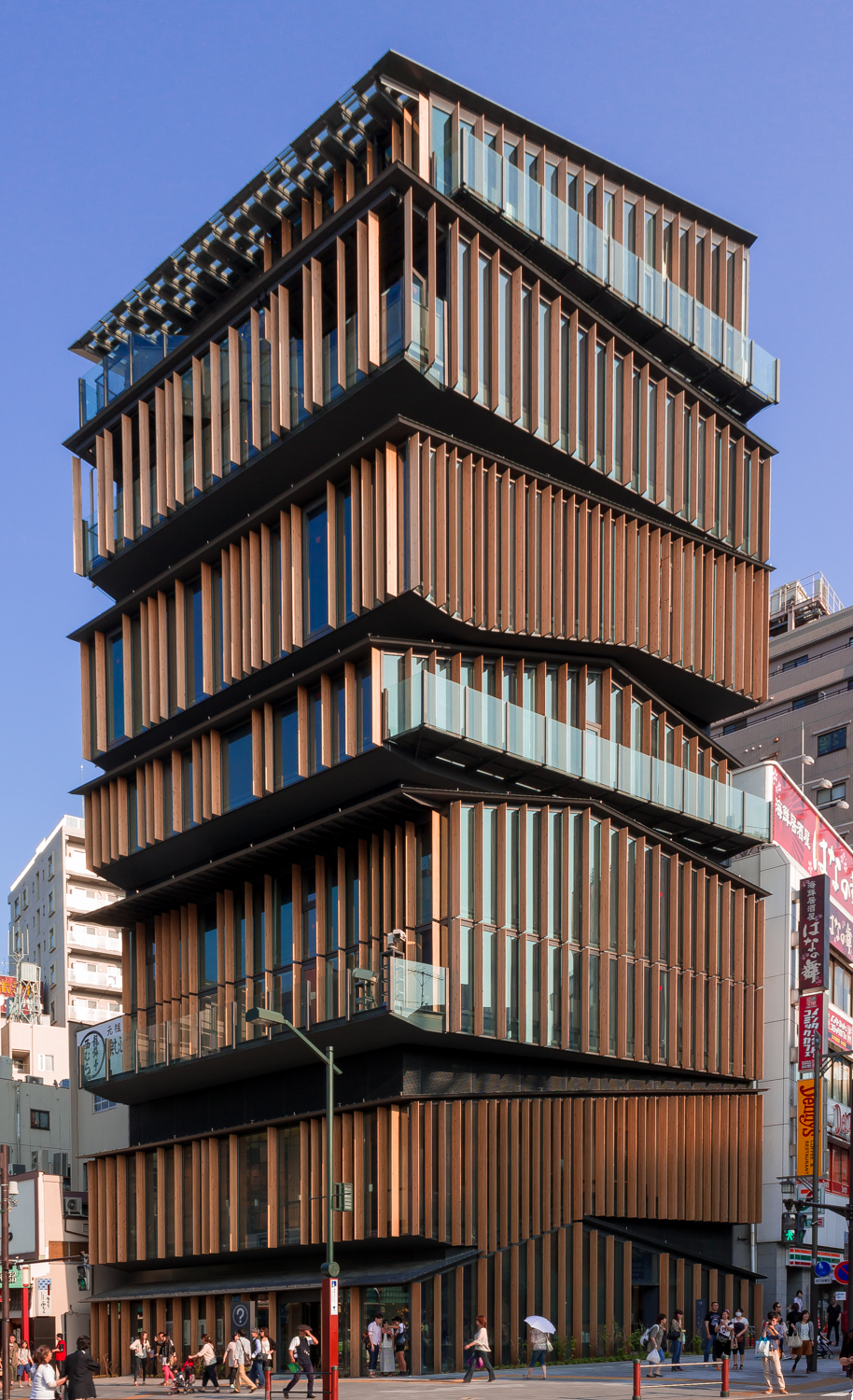
Kengo Kuma’s stacked-house tower — free 8th-floor terrace looking straight down Nakamise.
≈2 min walkKaminarimon 2, Kaminarimon, Taito, TokyoSee on map →
Asakusa Engei Hall浅草演芸ホール
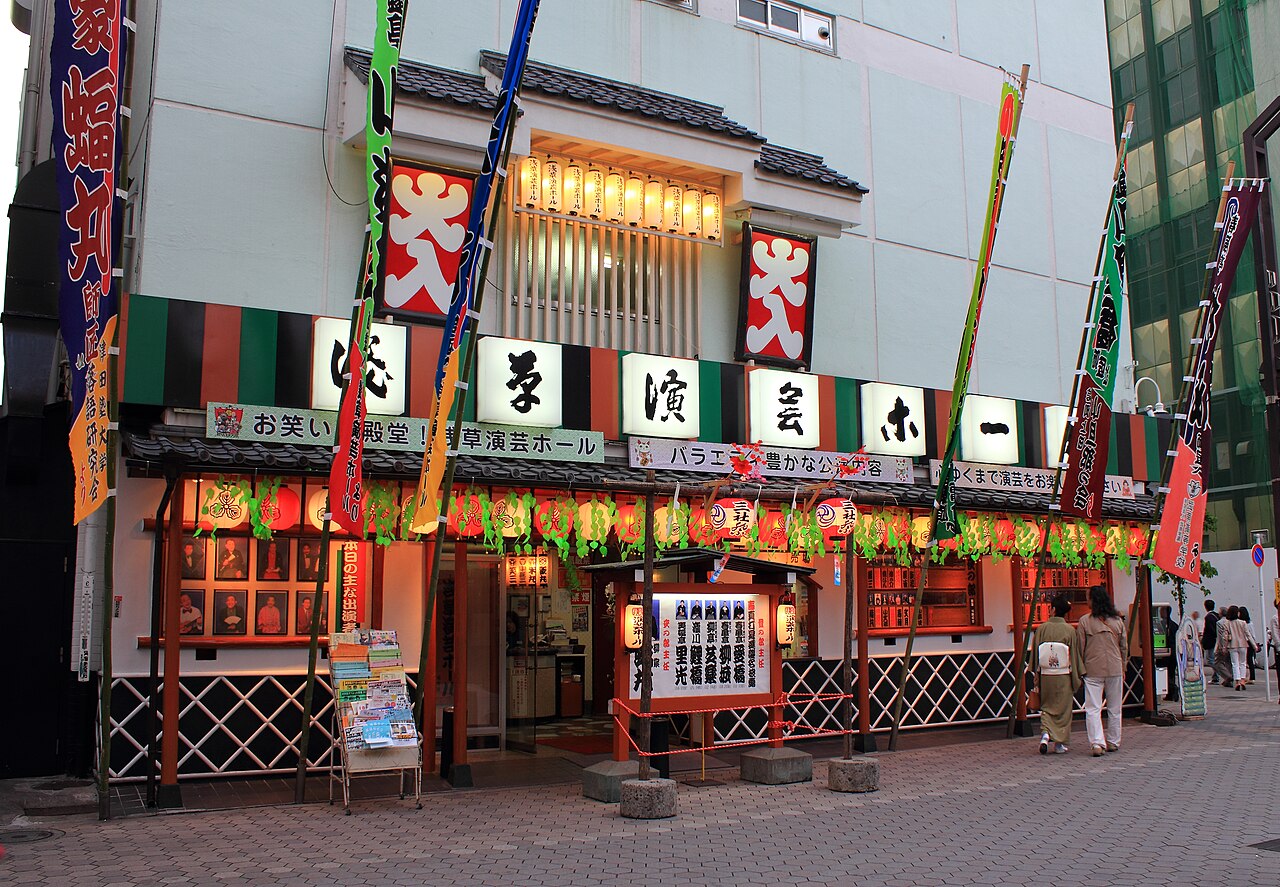
All-day rakugo and vaudeville in Tokyo’s last great comedy hall.
≈10 min walkAsakusa 1, Asakusa, Taito, TokyoSee on map →
Hanayashiki浅草花やしき
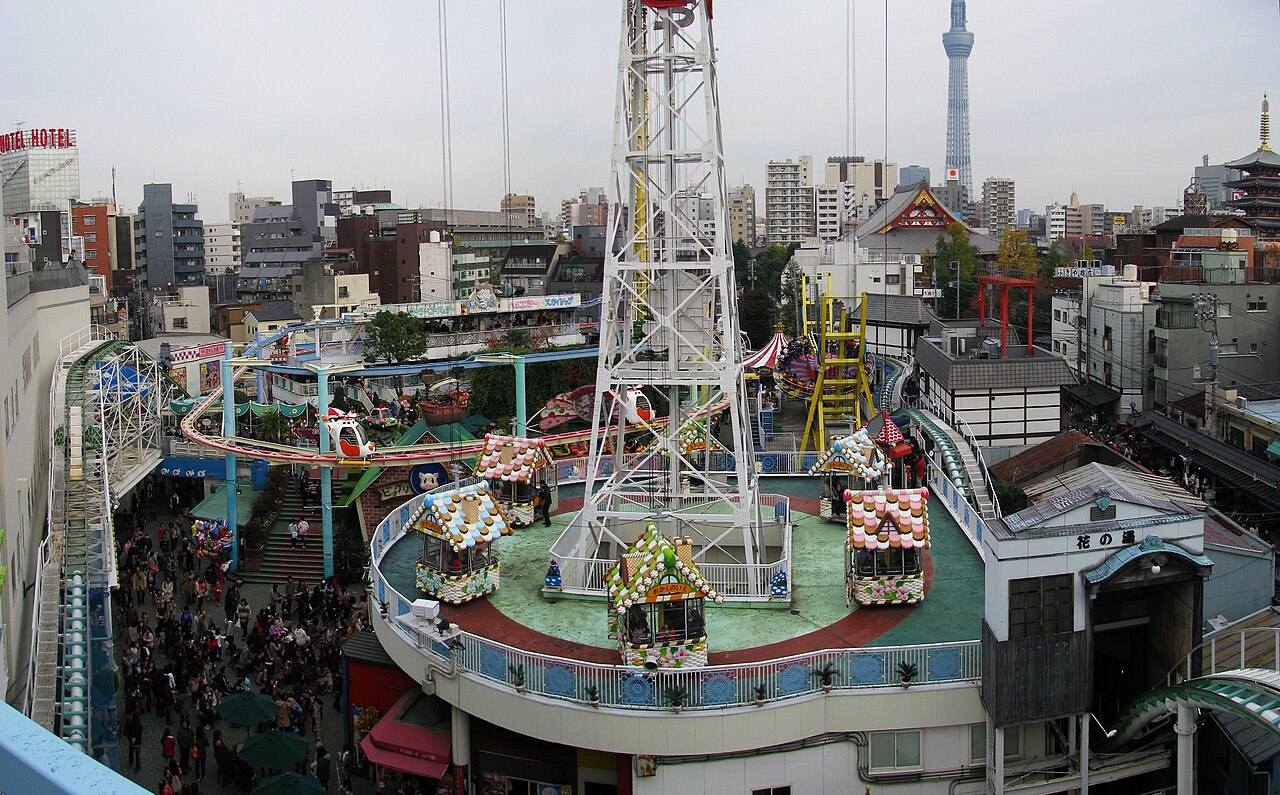
Japan’s oldest amusement park — its 1953 roller coaster still rattles past temple rooftops.
≈12 min walkAsakusa 2, Asakusa, Taito, TokyoSee on map →


Your lines here
This stop carries one number per line. The one on your sign depends on which platform you came up from.
- G19
- A18
Worth a stop nearby
Featured stops a few stations from here — same train, no change.
- A-17Kuramae蔵前Craft workshops · Kuramae kissa1 stoptoward Nishi-magome
- A-20Oshiage押上Tokyo Skytree2 stops
- G-16Ueno上野Museums · Park · Ameyoko3 stopstoward Shibuya
- A-14Ningyocho人形町Amazake Yokocho · Old shops4 stopstoward Nishi-magome
- A-13Nihombashi日本橋Bridge zero · Old merchant Tokyo5 stopstoward Nishi-magome
Exits
Street exits by their posted numbers. Marked exits have a step-free entrance.
- 1step-free
- 4
- 5
- 8
- A1
- A2a
- A2bstep-free
- A3
Step-free access
AAsakusa LineSide platforms
Step-free routeElevatorAccessible toilet
Accessible toilets
- B2FWheelchair-accessible · Ostomate · Baby change
- B2FWheelchair-accessible · Ostomate · Baby change
City buses
Toei buses from stops a short walk away. The code on each chip is what the front of the bus shows.
Asakusa-Kaminarimon-Minami浅草雷門南~60 m
- 草64→ Ikebukuro Sta. Higashiguchi (East Exit)
- 草64→ Togenuki-Jizō
Asakusa-Kaminarimon (Asakusa-Kaminarimon Gate)浅草雷門~80 m
- 上23→ Hirai Sta.
- 上23→ Ueno-Matsuzakaya (Ueno-Matsuzakaya Department Store)
- 草24→ Asakusa-Kotobukichō
- 草24→ Higashi-Ōjima Sta.
- 草39→ Kanamachi Sta.
- 草39→ Ueno-Matsuzakaya (Ueno-Matsuzakaya Department Store)
- 草43→ Adachi-Kuyakusho (Adachi City Office)
- 草63→ Ikebukuro Sta. Higashiguchi (East Exit)
Komagatabashi駒形橋~190 m
- 草24→ Asakusa-Kotobukichō
- 東42-1→ Minami-Senju Sta. Nishiguchi (West Exit)
- 東42-1→ Tokyo Sta. Yaesuguchi (Yaesu Exit)
- 東42-2→ Higashi-Kanda
- 東42-2→ Minami-Senju Sta. Nishiguchi (West Exit)
Tōbu-Asakusa Sta.東武浅草駅前~210 m
- 都08→ Nippori Sta.
- 東42-1→ Minami-Senju Sta. Nishiguchi (West Exit)
- 東42-1→ Tokyo Sta. Yaesuguchi (Yaesu Exit)
- 東42-2→ Higashi-Kanda
- 東42-2→ Minami-Senju Sta. Nishiguchi (West Exit)
Flat ¥210 a ride in the 23 wards — board at the front, pay as you get on, IC card or cash.
Three or more rides in a day? The ¥500 one-day Toei bus pass pays for itself — sold on board.
First and last train
Departures from this station. A time after midnight belongs to the night before — 00:20 means tonight, not tomorrow morning.
G-19Ginza Line
Shibuyalast train ends at Ueno
Every day05:01–00:14
A-18Asakusa Line
Northbound
Every day05:03–00:23
Southboundtoward Nishi-magomelast train ends at Asakusabashi
Every day05:03–00:26
Asakusa, in the government's words
Quoted verbatim from the Japan Tourism Agency's commentary database. None of it is ours, and none of it has been edited — the licence asks that it not be. Written in 2019.
The iconic Asakusa district, located in Taito Ward in the northeastern part of central Tokyo, is much more than the site of internationally renowned temples and shrines. The district developed over many centuries, through a combination of happenstance, the people who called it home and local geography.
Read the rest — 7 more paragraphs
The origins of Asakusa date back some 1,400 years to the Asuka period (552–645), before the city of Edo (now called Tokyo) even existed. According to legend, in the year 628, two brothers, Hinokuma no Hamanari and Hinokuma no Takenari, were fishing along the Sumida River when they found a golden statue caught in their nets. Upon returning to town, they showed the statue to the village wise man, Haji no Nakamoto, who recognized it as a depiction of the bodhisattva Kannon, the Buddhist deity of compassion. Haji was so impressed by the statue's divinity that he converted his home into a temple to enshrine the image. This event is thought to be the humble beginning of Sensoji Temple. The large temple complex visitors see today was constructed in 942 by Taira no Kinmasa, who governed the area during the Heian period (794–1185).
While the discovery of the statue of Kannon and the establishment of Sensoji Temple helped turn Asakusa into a place of religious significance, it was during the Edo period (1603–1867) that the area began to truly flourish. During this era of peace and economic and cultural prosperity after the first shogun, Tokugawa Ieyasu (1543–1616), designated Edo the nation’s capital, the population of the city grew rapidly. The temple enjoyed a constant stream of visitors, especially after it was granted the shogun’s patronage.
Local residents who performed tasks such as cleaning at Sensoji were granted special dispensation to open shops on the approach to the temple and peddle their wares to visitors. The shops sold toys and souvenirs from nearby wholesalers, as well as sweets and other snacks. This was how the Nakamise shopping street began.
The Yoshiwara pleasure quarter, Edo’s designated red-light district, was relocated to Asakusa after the original location burned down during the Great Meireki Fire of 1657. Edo’s kabuki district, Saruwaka Sanza, was also relocated there, and Asakusa came to flourish as a center of entertainment. Both the red-light district and kabuki theaters in the area behind the temple (known as Sensoji-ura or Asakusa Okuyama) attracted many visitors in addition to the steady stream of pilgrims visiting Sensoji.
The area maintained its reputation as an entertainment hub well into the twentieth century, thanks to the rokku (sixth district), which housed various performance venues and was the location of Japan’s first movie theater.
Despite being ravaged by fires throughout the centuries and razed by firebombing in World War II, Asakusa has always bounced back, thanks to its enduring reputation and the unflagging spirit of its residents, who take enormous pride in their neighborhood. These days, Sensoji welcomes an estimated 30 million visitors annually, and the district hosts many major celebrations. Asakusa Jinja Shrine’s Sanja Festival is considered one of Tokyo’s “Three Great Festivals,” and the annual Tori-no-Ichi fair in Oku Asakusa is one of the largest events of its type. The area of Asakusa along the west bank of the Sumida River is a top spot for cherry blossom viewing in spring as well as for enjoying one of Tokyo’s largest fireworks displays in summer.
Today, the district is divided into three areas: Asakusa, the central area; Asakusa Minami to the south of the temple; and Oku Asakusa to the north. While each area has its own character, visitors can be certain that the traces of history will be in evidence no matter where they venture in Asakusa.
This English-language text was created by the Japan Tourism Agency.
Not here yet
Which car to board still isn't here — it exists as posters on the platform and in no open dataset at all. Live service status covers the four Toei lines only, on their line pages: Tokyo Metro's realtime feed is licensed in a way this site can't carry.