
Pop-ups & short runs
Running near this stop right now, soonest to close first. Dates are the venue’s own — worth a check before you set off.
Until 6 AugSgt. Frog Plaza at Kiddy LandKiddy Land Harajuku
(キデイランド原宿店)ケロロ軍曹PLAZA in キデイランド
Sgt. Frog goods tied to the film: ball chains, umbrella markers, die-cut stickers, plush and acrylic memo stands.
24 Jul – 6 AugCollabo Cafe (コラボカフェ)
Until 16 AugTWS D'ICON Pop-up in TokyoTokyu Plaza Harajuku HARAKADO
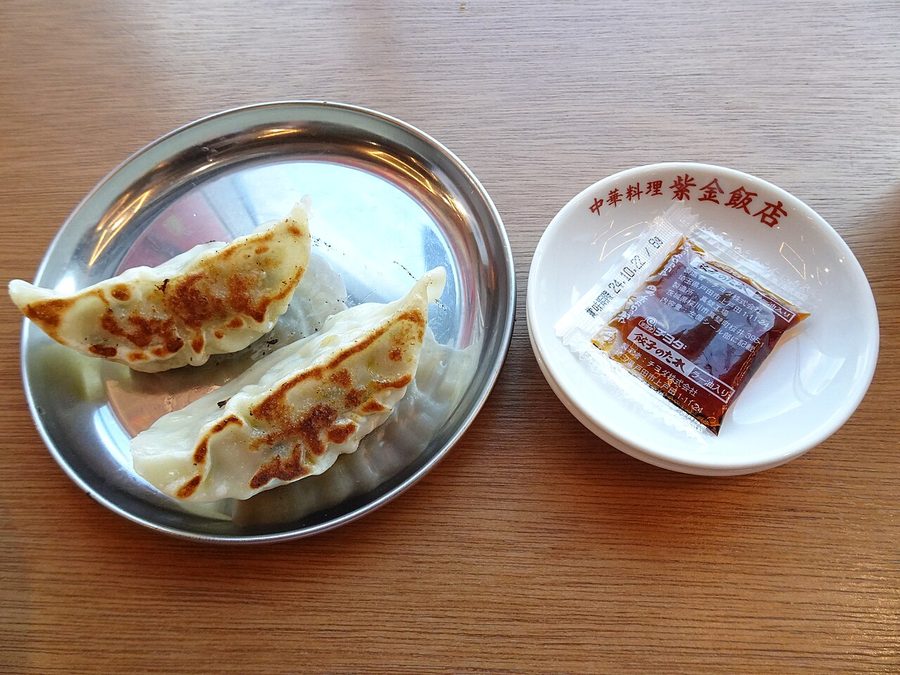
Tokyu Plaza Harajuku HARAKADO東急プラザ原宿「ハラカド」 4F, D'PARTMENT
Meiji Street, Jingumae 6, Jingumae, ShibuyaSee on map →
Free-entry shop for the K-pop group TWS's D'ICON photobook, selling exclusive photo cards, fans, T-shirts and tote bags.
4 Jul – 16 AugEnjoy Tokyo (enjoytokyo.jp)

Last checked 2026-07-27
Famous sights nearby
3
Picked from Tokyo's official visitor guide — a short walk or direct exit from this stop.
Meiji Jingu明治神宮
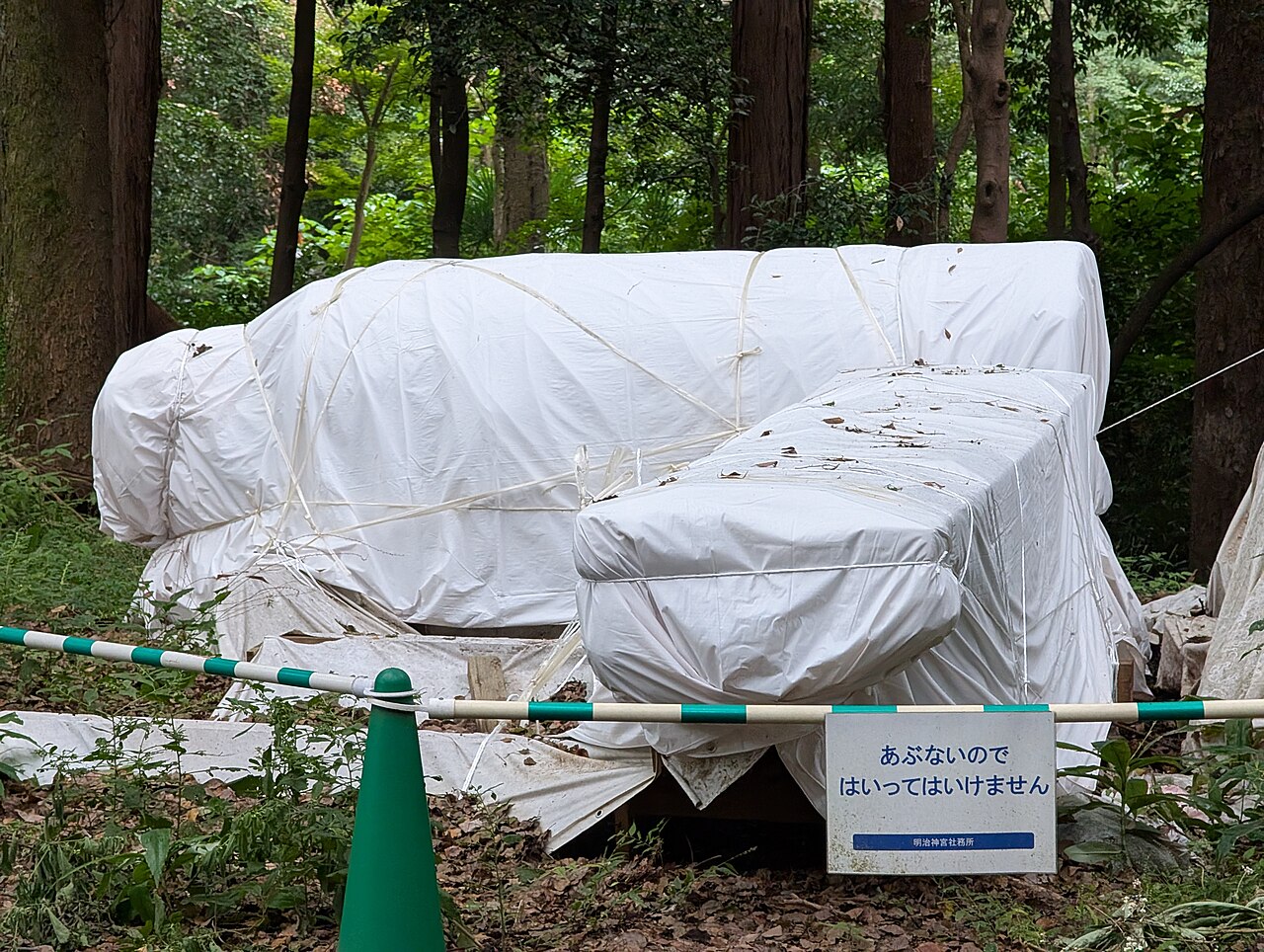
Tokyo’s grandest shrine, reached through a forest of 100,000 donated trees.
≈15 min walkYoyogi Kamizono-chō, Shibuya, TokyoSee on map →
Takeshita-dori竹下通り
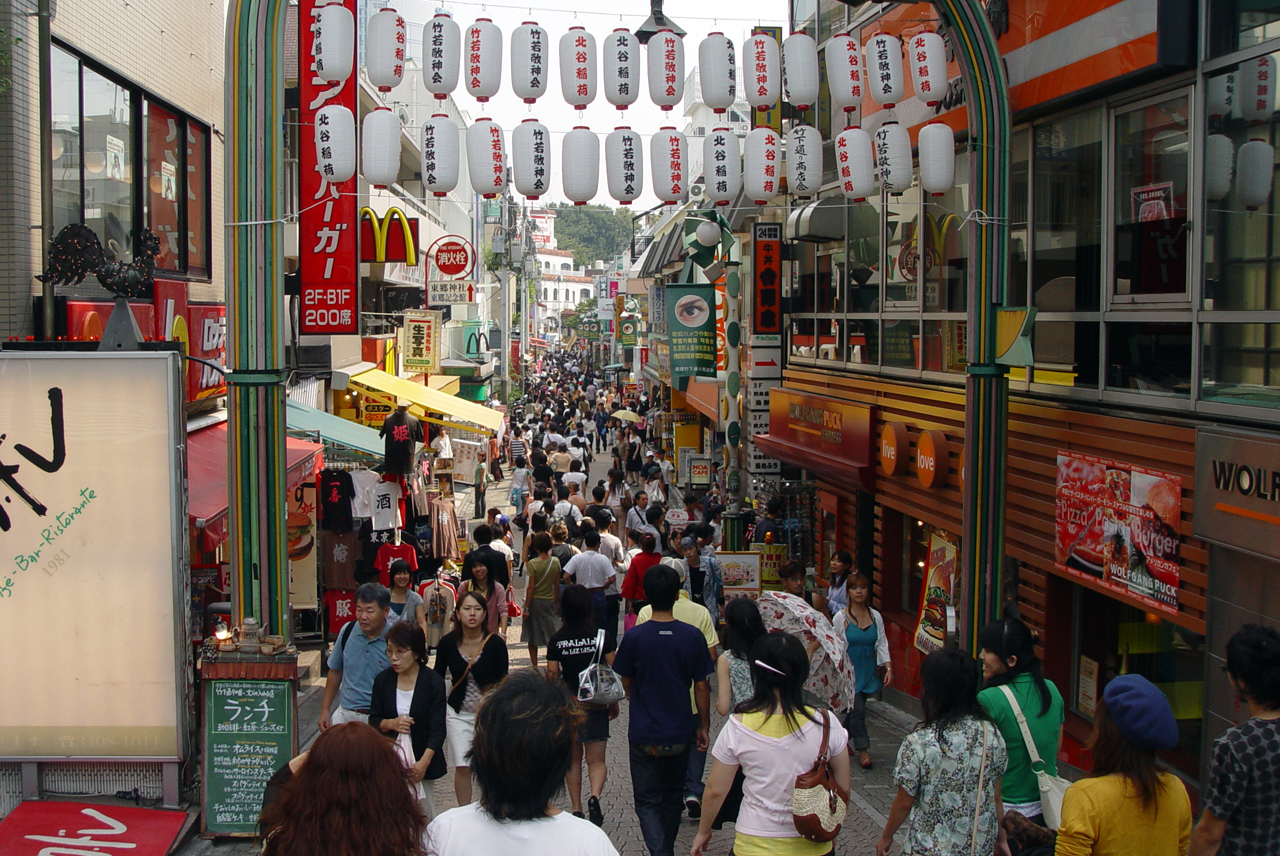
400 metres of crepes, idol goods and loud fashion — Harajuku’s teenage main street.
≈6 min walkJingūmae 1, Jingumae, Shibuya, TokyoSee on map →
Ota Memorial Museum of Art太田記念美術館
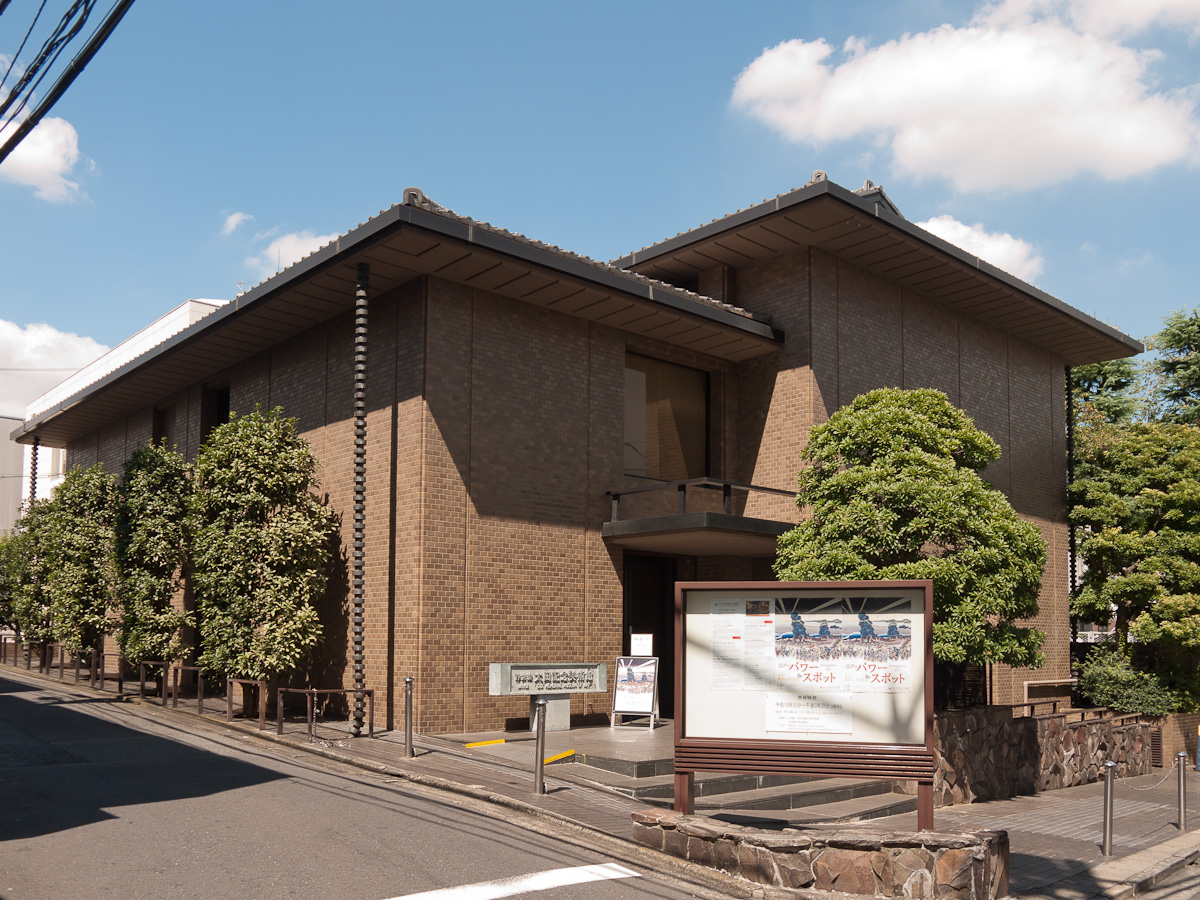
Fifteen thousand ukiyo-e — Hokusai, Hiroshige and Kuniyoshi a lane off Takeshita-dori.
≈2 min walkJingūmae 1, Jingumae, Shibuya, TokyoSee on map →


Your lines here
This stop carries one number per line. The one on your sign depends on which platform you came up from.
- C03
- F15
Worth a stop nearby
Featured stops a few stations from here — same train, no change.
- C-04Omote-sando表参道Architecture · Boutiques1 stoptoward Kita-ayase
- F-16Shibuya渋谷Scramble · Youth fashion1 stop
- C-01Yoyogi-uehara代々木上原Bakeries · Quiet residential cool2 stops
- F-13Shinjuku-sanchome新宿三丁目Isetan · Golden Gai edge2 stopstoward Wakoshi
- C-07Kokkai-gijidomae国会議事堂前National Diet · Government row4 stopstoward Kita-ayase
Exits
Street exits by their posted numbers. Marked exits have a step-free entrance.
- 1
- 2step-free
- 3
- 4
- 5
- 6step-free
- 7
Step-free access
- B1FWheelchair-accessible · Ostomate · Baby change
- B2FWheelchair-accessible · Ostomate · Baby change
- B4FWheelchair-accessible · Ostomate · Baby change
- B4FWheelchair-accessible · Ostomate · Baby change
City buses
Toei buses from stops a short walk away. The code on each chip is what the front of the bus shows.
Omotesandō表参道~90 m
- 早81→ Sōdai-Seimon (Waseda Univ.)
- 池86→ Ikebukuro Sunshine City
Flat ¥210 a ride in the 23 wards — board at the front, pay as you get on, IC card or cash.
Three or more rides in a day? The ¥500 one-day Toei bus pass pays for itself — sold on board.
First and last train
Departures from this station. A time after midnight belongs to the night before — 00:20 means tonight, not tomorrow morning.
C-03Chiyoda Line
Kita-ayase
Weekdays05:04–00:04
Weekends & holidays05:04–23:59
Yoyogi-uehara
Weekdays05:35–00:45
Weekends & holidays05:35–00:26
F-15Fukutoshin Line
Shibuya
Every day05:12–00:29
Wakoshilast train ends at Shinjuku-sanchome
Every day05:07–00:22
Meiji Jingu's forest, in the government's words
Quoted verbatim from the Japan Tourism Agency's commentary database. None of it is ours, and none of it has been edited — the licence asks that it not be. Written in 2018.
The sacred forest surrounding the main shrine buildings of Meiji Jingu may seem natural but is actually man-made, planted by 110,000 volunteers in honor of Emperor Meiji (1852–1912) and Empress Shoken (1849–1914). Covering 70 hectares, it currently has 234 different varieties of trees, which were donated from all over Japan. Every tree was chosen based on how it would look after 100 or 200 years, while still ensuring the forest looked natural when it was planted in 1920. The project was led by Dr. Honda Seiroku (1866–1952), who was also responsible for Hibiya Park.
Read the rest — one more paragraph
Since the forest is considered sacred, there has been no human intervention since it was created. Nothing is added or taken away, and the plants must sustain themselves. When trees fall over they are left as they are, to return to the soil. Many new species, including some rare birds and insects, have made their home in the forest. Walking through it, there is always something new to discover whatever the season. The forest serves also to separate the sacred from the profane world. It is one of the most iconic and popular oases of greenery in Tokyo.
This English-language text was created by the Japan Tourism Agency.
Not here yet
Which car to board still isn't here — it exists as posters on the platform and in no open dataset at all. Live service status covers the four Toei lines only, on their line pages: Tokyo Metro's realtime feed is licensed in a way this site can't carry.