
Famous sights nearby
2
Picked from Tokyo's official visitor guide — a short walk or direct exit from this stop.
Imperial Palace & Nijubashi皇居・二重橋
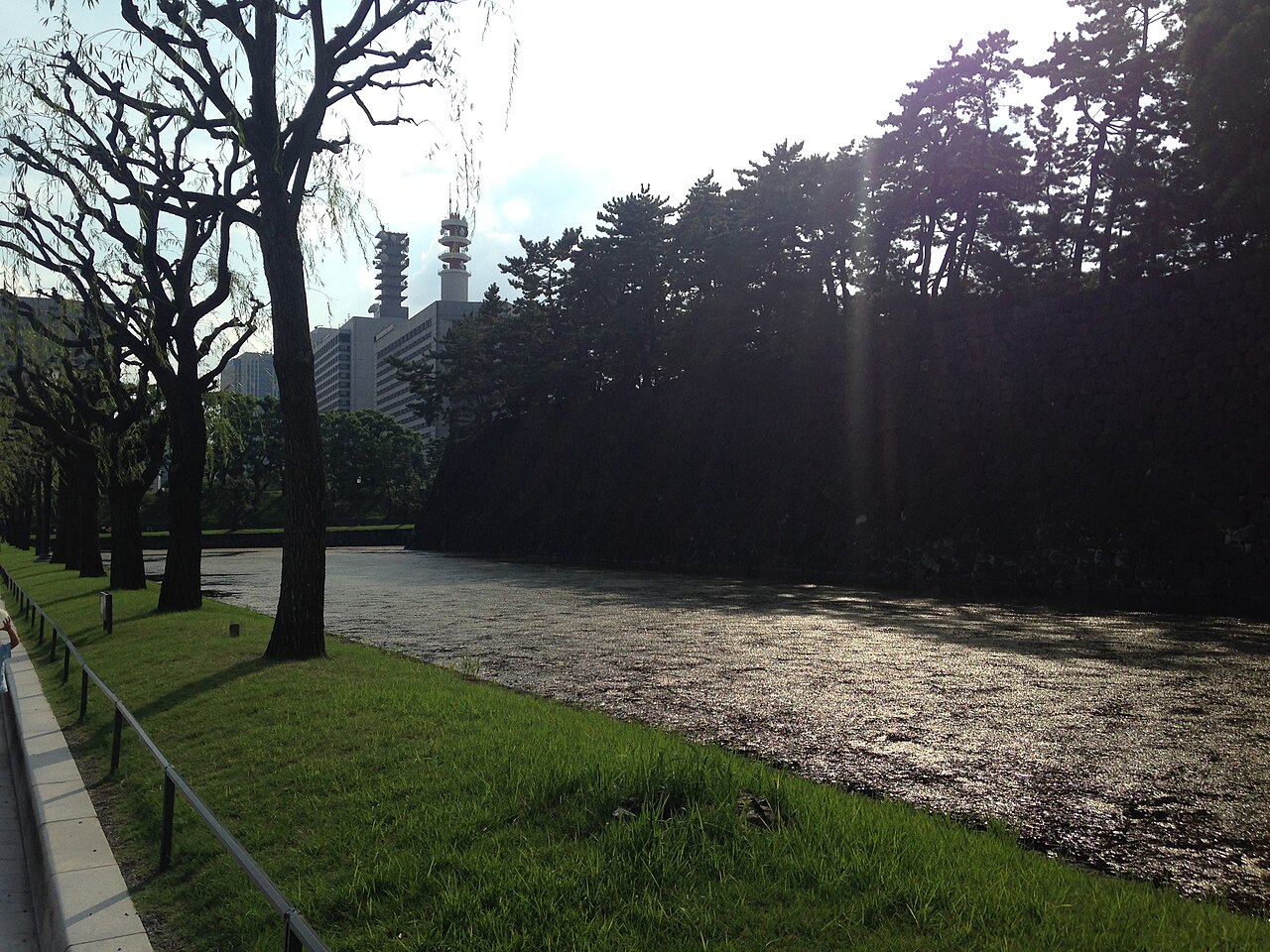
The Emperor’s moated grounds on the old Edo Castle site — the double bridge is the classic view.
≈6 min walkKajibashi Street, Kokyo Gaien National Garden, Marunouchi, ChiyodaSee on map →
Seikado Bunko Art Museum静嘉堂文庫美術館
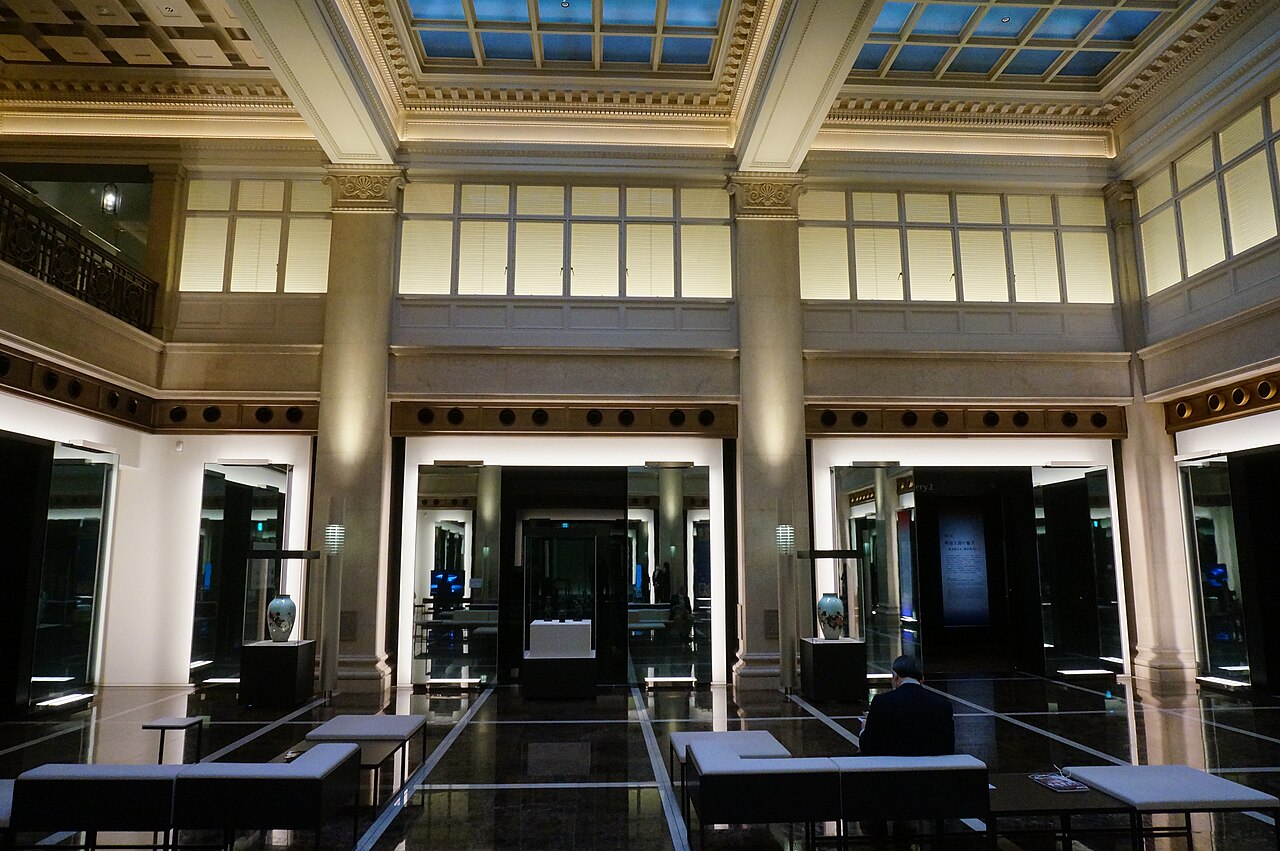
The Mitsubishi collection facing the palace moat — one of only three Yohen Tenmoku bowls on earth.
≈3 min walkHibiya Street, Marunouchi 2, Marunouchi, ChiyodaSee on map →

On this line
The number on the sign, and the stops either side.
- C10
Worth a stop nearby
Featured stops a few stations from here — same train, no change.
Exits
Street exits by their posted numbers. Marked exits have a step-free entrance.
- 1
- 2
- 3step-free
- 4
- 6
- 7
- B7step-free
Step-free access
- B1FWheelchair-accessible · Ostomate · Baby change
City buses
Toei buses from stops a short walk away. The code on each chip is what the front of the bus shows.
Tokyo Kokusai Forum (Tokyo International Forum)東京国際フォーラム前~220 m
- 都03→ Tokyo Sta. Marunouchi-Kitaguchi (Marunouchi North Exit)
- 都04→ Tokyo Sta. Marunouchi-Minamiguchi (Marunouchi South Exit)
- 都05-1→ Tokyo Sta. Marunouchi-Minamiguchi (Marunouchi South Exit)
- 都05-2→ Tokyo Sta. Marunouchi-Minamiguchi (Marunouchi South Exit)
Flat ¥210 a ride in the 23 wards — board at the front, pay as you get on, IC card or cash.
Three or more rides in a day? The ¥500 one-day Toei bus pass pays for itself — sold on board.
First and last train
Departures from this station. A time after midnight belongs to the night before — 00:20 means tonight, not tomorrow morning.
C-10Chiyoda Line
Kita-ayase
Weekdays05:18–00:18
Weekends & holidays05:18–00:14
Yoyogi-ueharalast train ends at Kasumigaseki
Weekdays05:21–00:29
Weekends & holidays05:21–00:26
Kokyo Gaien, the Imperial Palace outer garden, in the government's words
Quoted verbatim from the Japan Tourism Agency's commentary database. None of it is ours, and none of it has been edited — the licence asks that it not be. Written in 2019.
Kokyo Gaien National Garden is a park in central Tokyo, covering a little over a square kilometer. The national garden includes three museums and is popular with people for its fascinating history and natural environment. The grounds ring the Imperial Palace, residence of the emperor, and include a landscaped plaza in front of the palace, 12 moats, and Kitanomaru Garden. These grounds were all once part of Edo Castle, originally built in 1457. Its moats as well as several gates, bridges, watchtowers, and impressive stone walls remain. Many are designated Special Historic Sites and Important Cultural Properties of Japan.
Read the rest — 7 more paragraphs
The castle was built during a time of conflict and political upheaval. It was constructed to protect Kamakura, the headquarters of the shogunate of the time, south of modern-day Tokyo. The Tokugawa shogunate, the feudal government that ruled the country from 1603 to 1867, expanded the castle making it the largest such stronghold ever built in Japan.
Over the centuries, Edo Castle was damaged by fire time and again. A fire in 1873 burned most of the castle to the ground. From 1874 to 1945, Kitanomaru Garden was occupied by the Imperial Guard.
Walking Itinerary
Nanko Rest House, in the southernmost corner of the garden, is an excellent starting point when exploring Kokyo Gaien. Its exhibitions provide historical context and its restaurant offers Edo-inspired cuisine. In front of Nanko Rest House, you will find almost 2,000 carefully manicured Japanese black pine trees (Pinus thunbergii) and the statue of legendary samurai Kusunoki Masashige (1294–1336), noted for his loyalty to the emperor.
From here, head to Sakuradamon Gate, then north along the moat, past Nijubashi Bridge, the Imperial Palace itself and Tatsumi Watchtower. Wadakura Fountain Park, commemorating the marriages of the Emperor (r. 2019–) and the Heisei Emperor Emeritus (r. 1989–2019), is across the road from the watchtower. It is a good spot for a break and a bite to eat in the park’s restaurant. From there, you can enter the East Gardens of the Imperial Palace via the Otemon Gate or continue around the outside of the palace grounds, walking along the Ote-bori moat.
The East Garden is the only part of the inner Imperial Palace that is open to the public year-round. These grounds would once have been the most heavily fortified part of Edo Castle, protected from attack by high walls, strong gates and guards. Now, all that remain of the castle are moats, gates, guardhouses, and the foundation of the castle keep, which burned down in 1657 and was never rebuilt. You can still see the traces of scorching on some of the stonework, giving an idea of the intensity of the fire.
Both the Ote-bori moat and East Gardens routes will take you to Kitahanebashi Gate, one of the very few drawbridges in Japan. From there, walk towards Kitanomaru Garden, where you can explore its wooded gardens and two Edo-period (1603–1867) gates. Exit through Tayasumon Gate before continuing counterclockwise around the moats, along the edge of Chidorigafuchi Moat, and back to the start of your route. After sunset, Sakuradamon Gate is lit up, making a spectacular end to a loop of Kokyo Gaien. If you would rather skip some sections, there are numerous subway stations within easy reach of the Kokyo Gaien grounds. The 5-kilometer course around the moats is also popular with runners.
This English-language text was created by the Japan Tourism Agency.
Not here yet
Which car to board still isn't here — it exists as posters on the platform and in no open dataset at all. Live service status covers the four Toei lines only, on their line pages: Tokyo Metro's realtime feed is licensed in a way this site can't carry.