Shrines
Torii, forests and festival grounds inside the city.
-
Akihabara 秋葉原
-
Kanda Myojin神田明神
A 1,300-year-old shrine that blesses businesses — and, these days, IT gadgets.
View place →
-
-
Asakusa 浅草
-
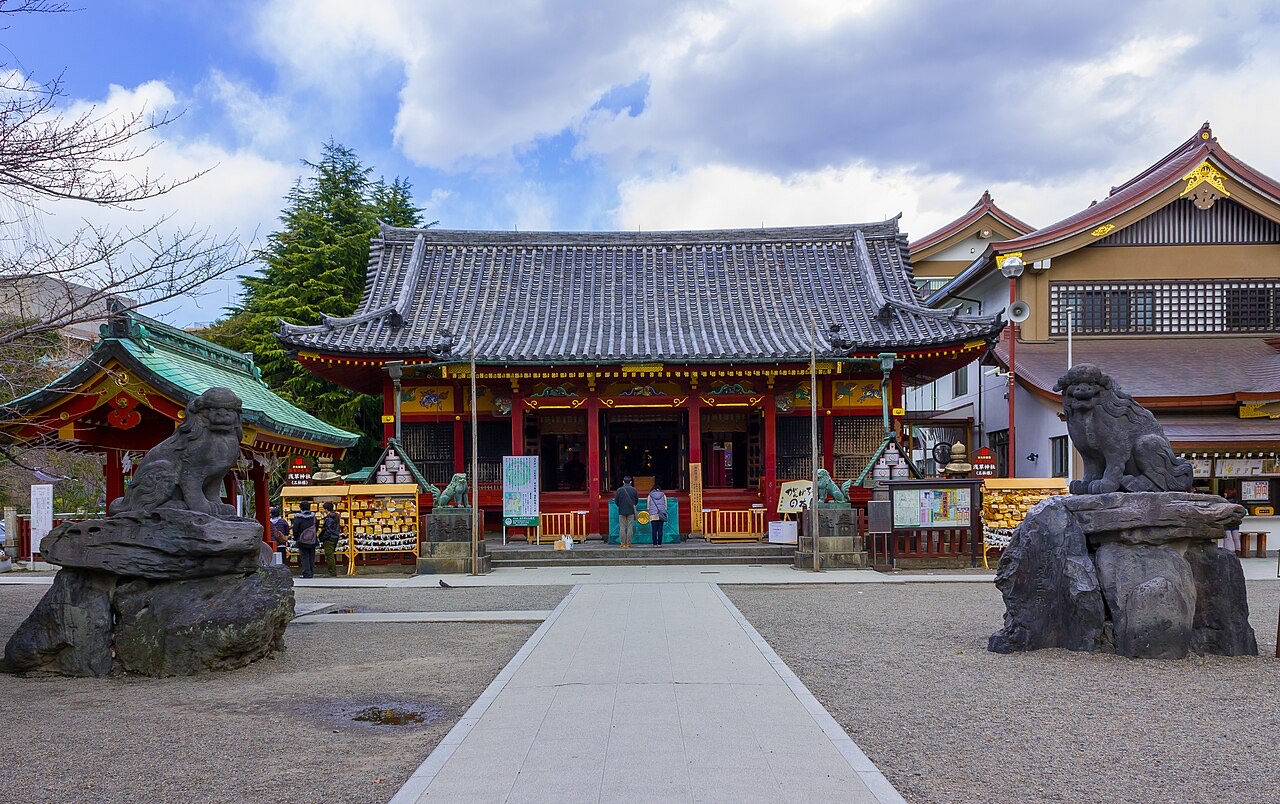
Asakusa Jinja浅草神社
The shrine beside the temple keeps its 1649 woodwork where the great hall is a 1958 rebuild — and looses the Sanja Matsuri every May.
View place →
-
-
Hon-Kawagoe 本川越
-
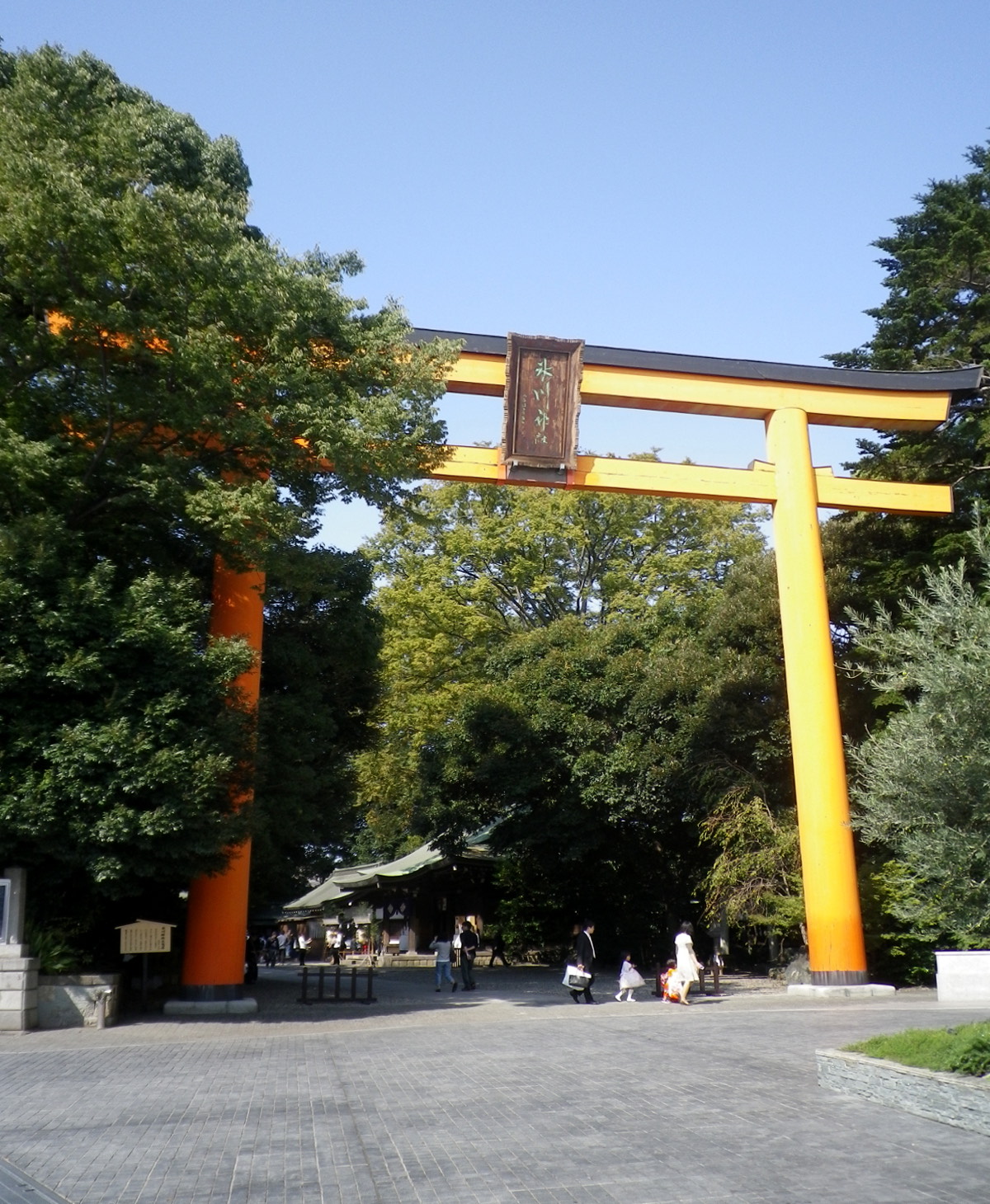
Kawagoe Hikawa Shrine川越氷川神社
Kawagoe’s guardian shrine and its matchmaker — a tunnel of ema year-round, and some 2,000 Edo wind chimes hung each summer.
View place →
-
-
Katase-Enoshima 片瀬江ノ島
-
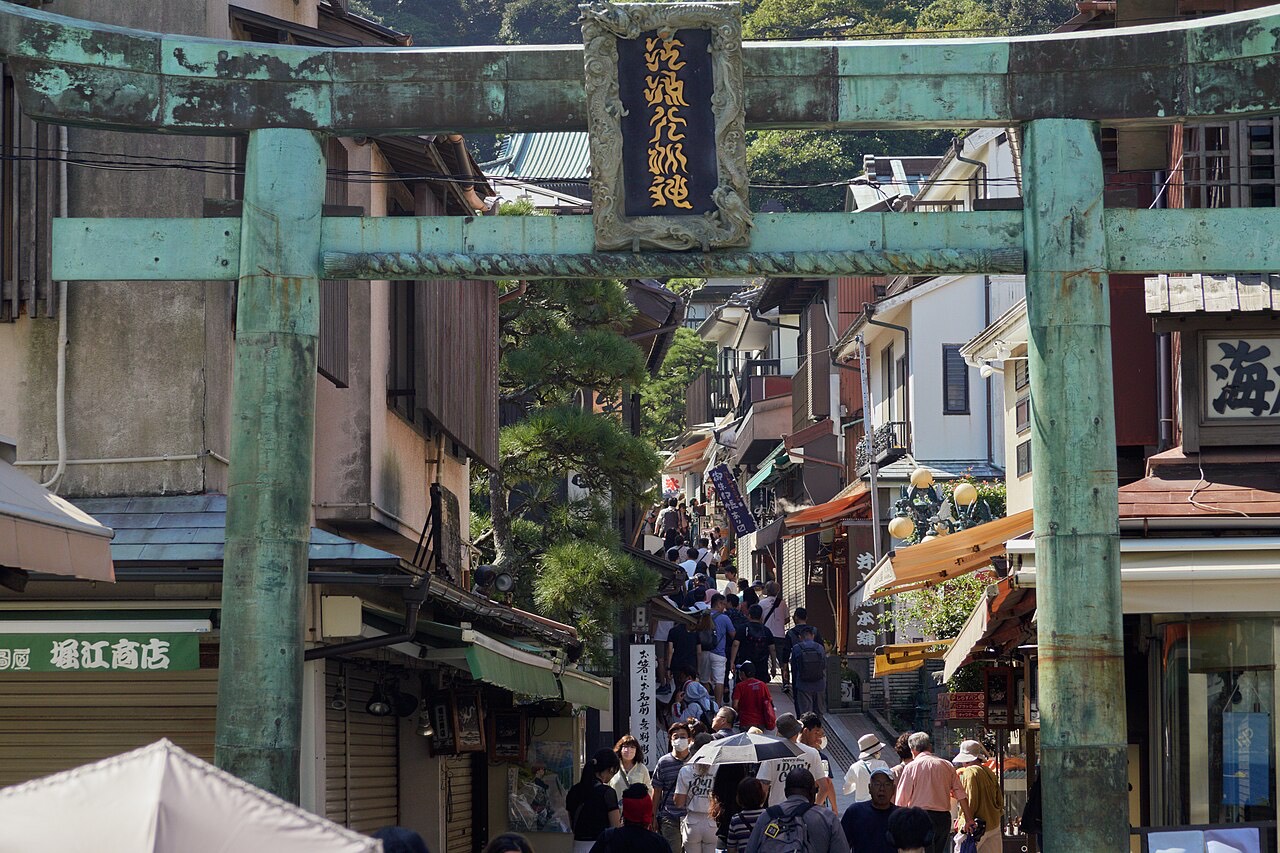
Enoshima Shrine江島神社
One of Japan's three great Benzaiten shrines, spread over the island in three sanctuaries — Hetsumiya, Nakatsumiya and Okutsumiya, each holding one of three sister goddesses of the sea. You cross to the island on the causeway bridge from the station, and the shrine's bronze torii opens the climb through Enoshima's lanes.
View place →
-
-
Kawasaki-Daishi 川崎大師
-
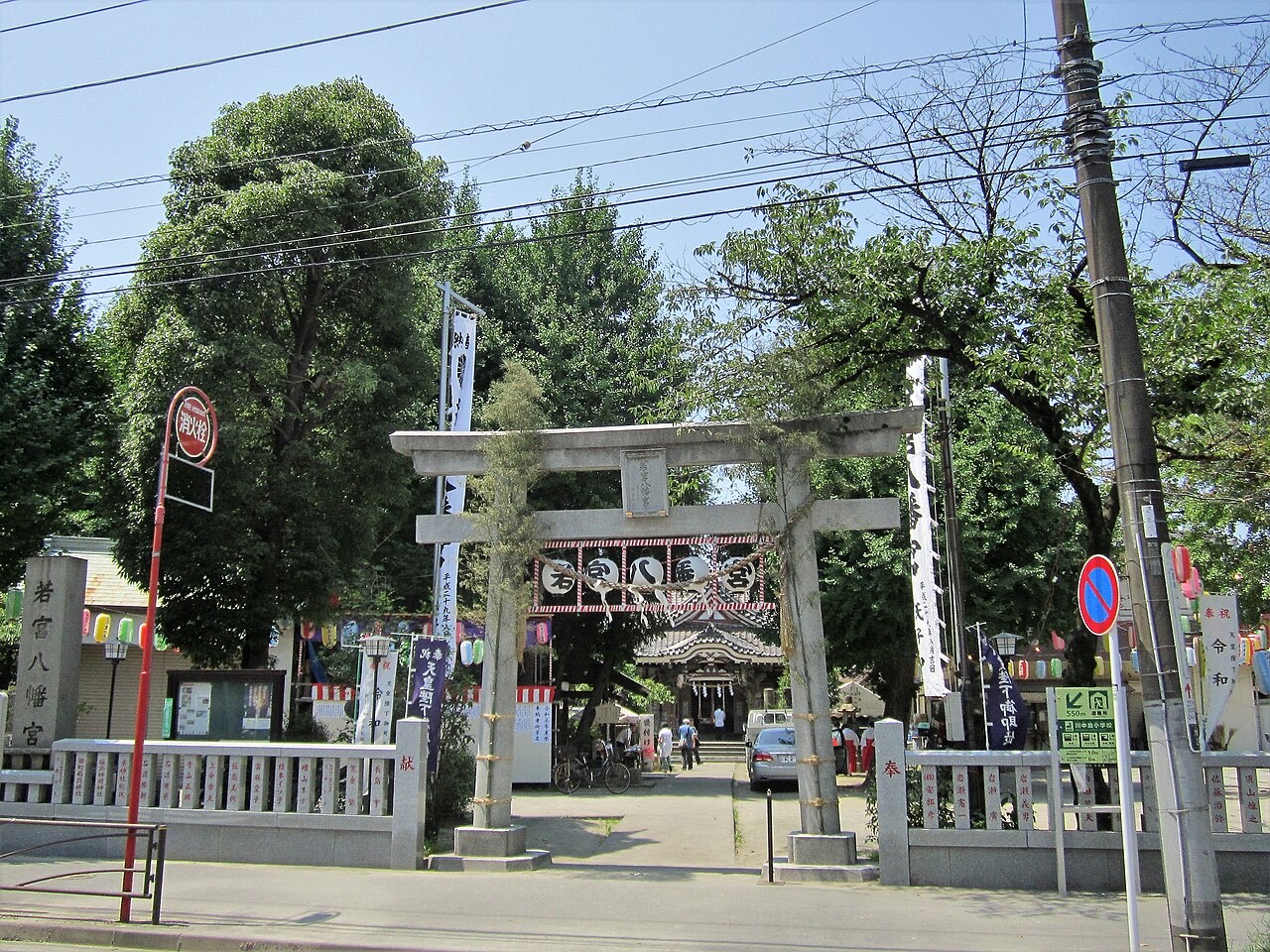
Wakamiya Hachimangu and Kanayama Shrine若宮八幡宮・金山神社
A shrine to Emperor Nintoku — Hachiman's young prince, which is what "Wakamiya" names — raised by settlers who crossed the Tama River to reclaim the river flats at Daishi. Its sub-shrine belongs to two gods of the forge and looks it: black steel plate outside, a bellows, a furnace and a sunken anvil on an earth floor within. Those same gods took charge of the body's lower half, and each April a phallic mikoshi goes out through the streets before a crowd drawn from well beyond Japan.
View place →
-
-
Keikyu Kawasaki 京急川崎
-
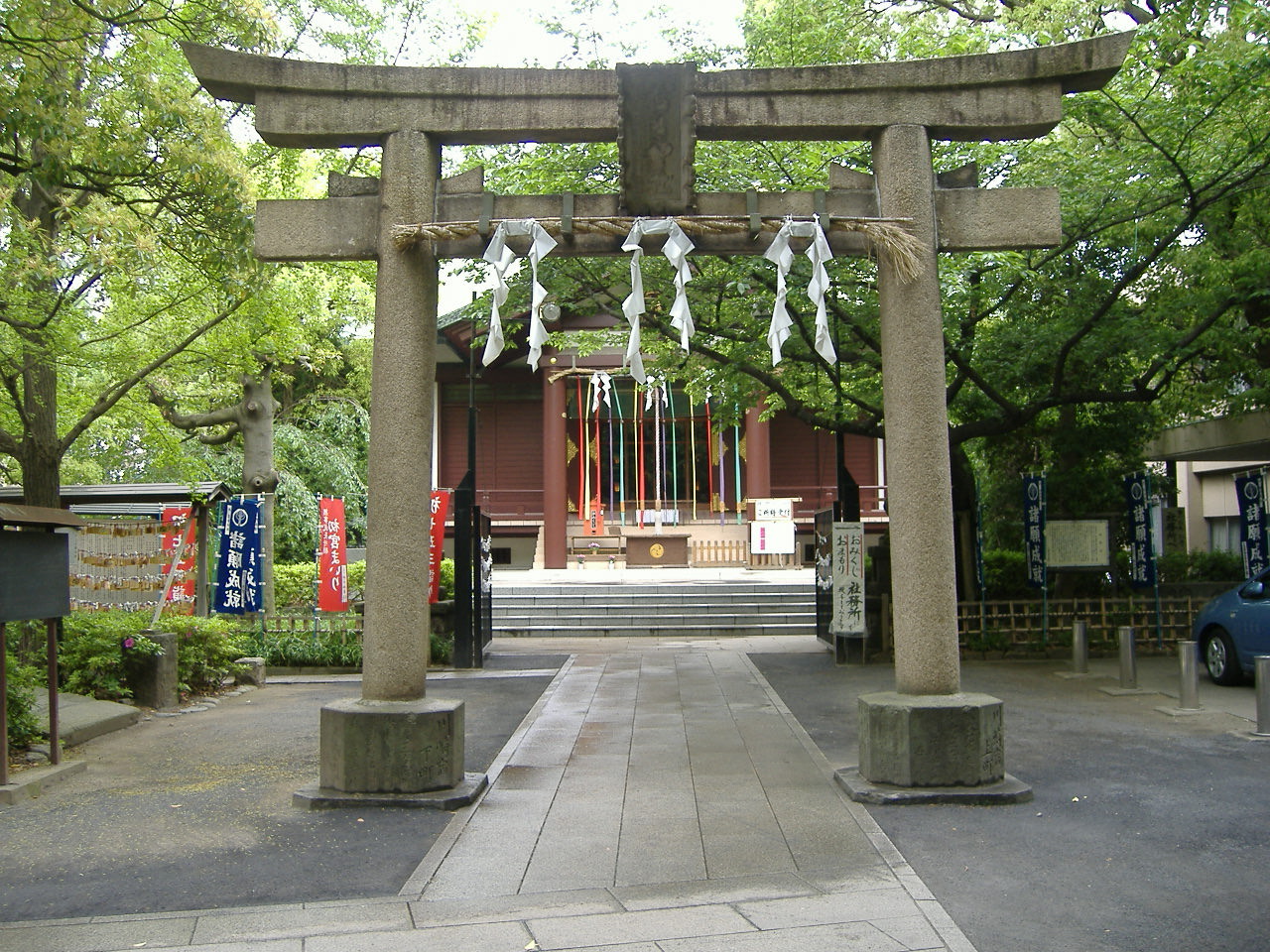
Inage Shrine稲毛神社
Guardian shrine of the Kawasaki post town and the seven villages around it. Its founding year is lost, so the shrine argues its age from the sacred ginkgo in the grounds, reckoned at a thousand years. It still styles itself Kawasaki Sanno-sha, the name it carried from the late Heian period; Inage Shrine settled only in mid-Meiji. The hall itself is 1963 concrete — the Edo-period one burned in 1945.
View place →
-
-
Matsudo 松戸
-
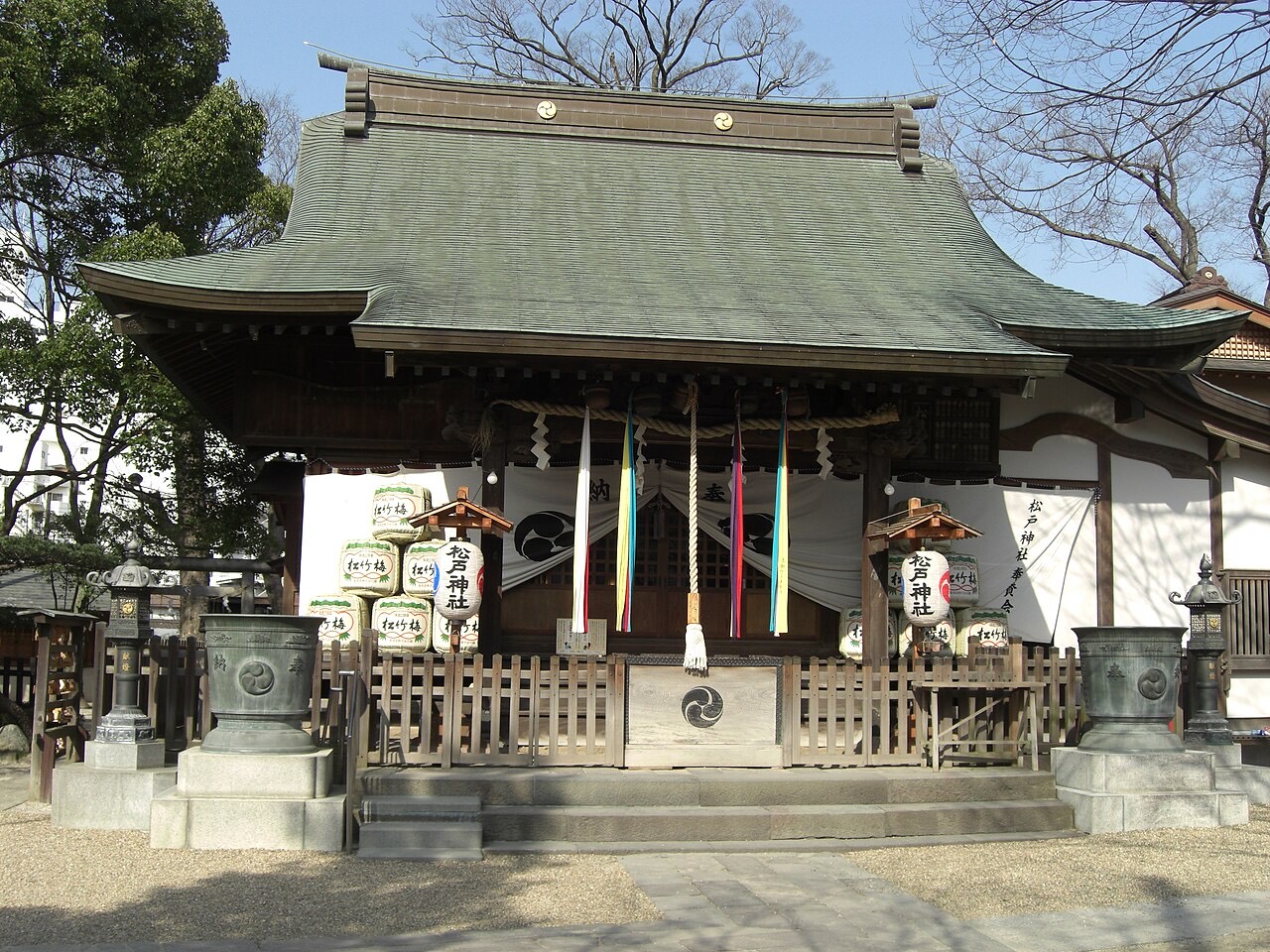
Matsudo Shrine松戸神社
A shrine to Yamato Takeru, known as Ontake Daigongen until it was renamed after the Meiji Restoration. Its small one-bay main hall is thought to be the rebuilding that followed a fire in 1736, which the city reckons among the oldest structures still standing in Matsudo; the worship hall went up in 1867 to replace one the Ansei earthquake had brought down, and the purification pavilion of the same year carries the four directional beasts on its corner brackets, with a hawk in place of the vermilion bird. All three were designated city cultural property in 2026.
View place →
-
-
Meiji-jingumae 明治神宮前
-
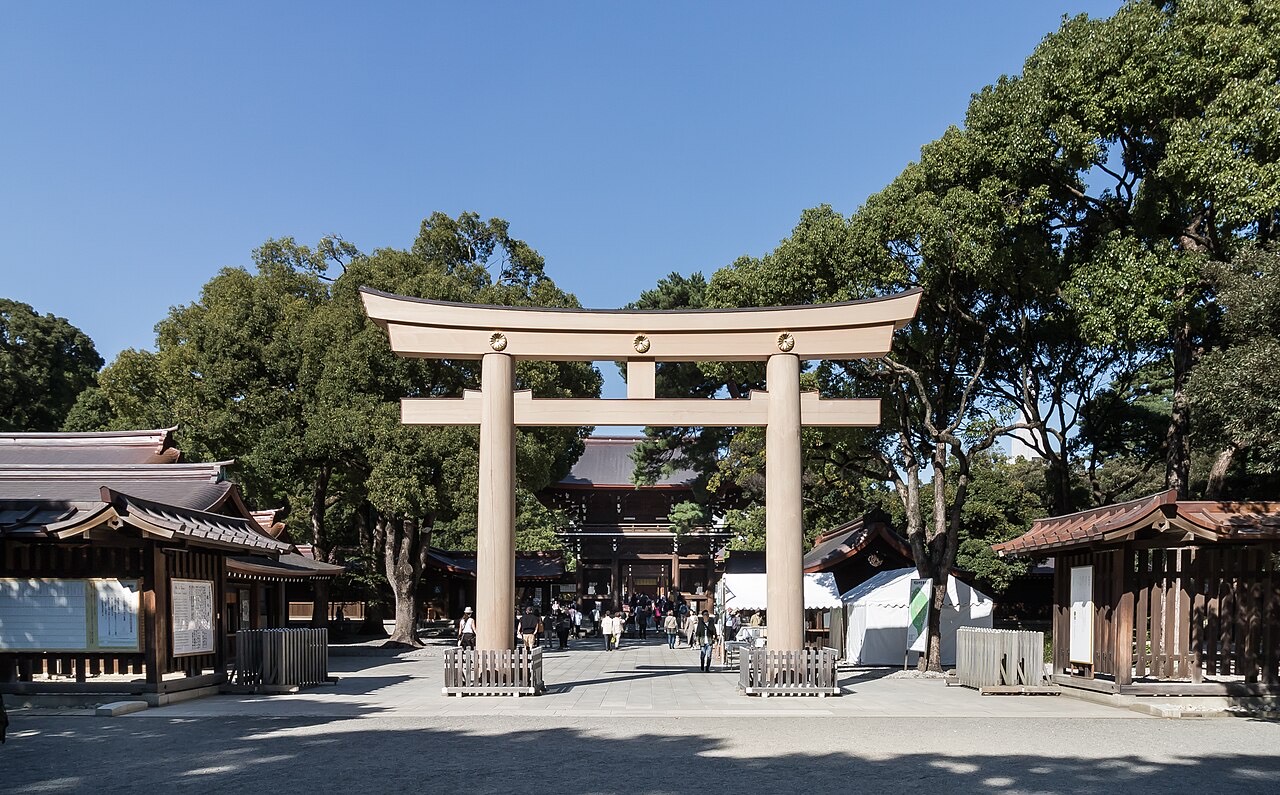
Meiji Jingu明治神宮
Tokyo’s grandest shrine, reached through a forest of 100,000 donated trees.
View place →
-
-
Mitakesan 御岳山
-
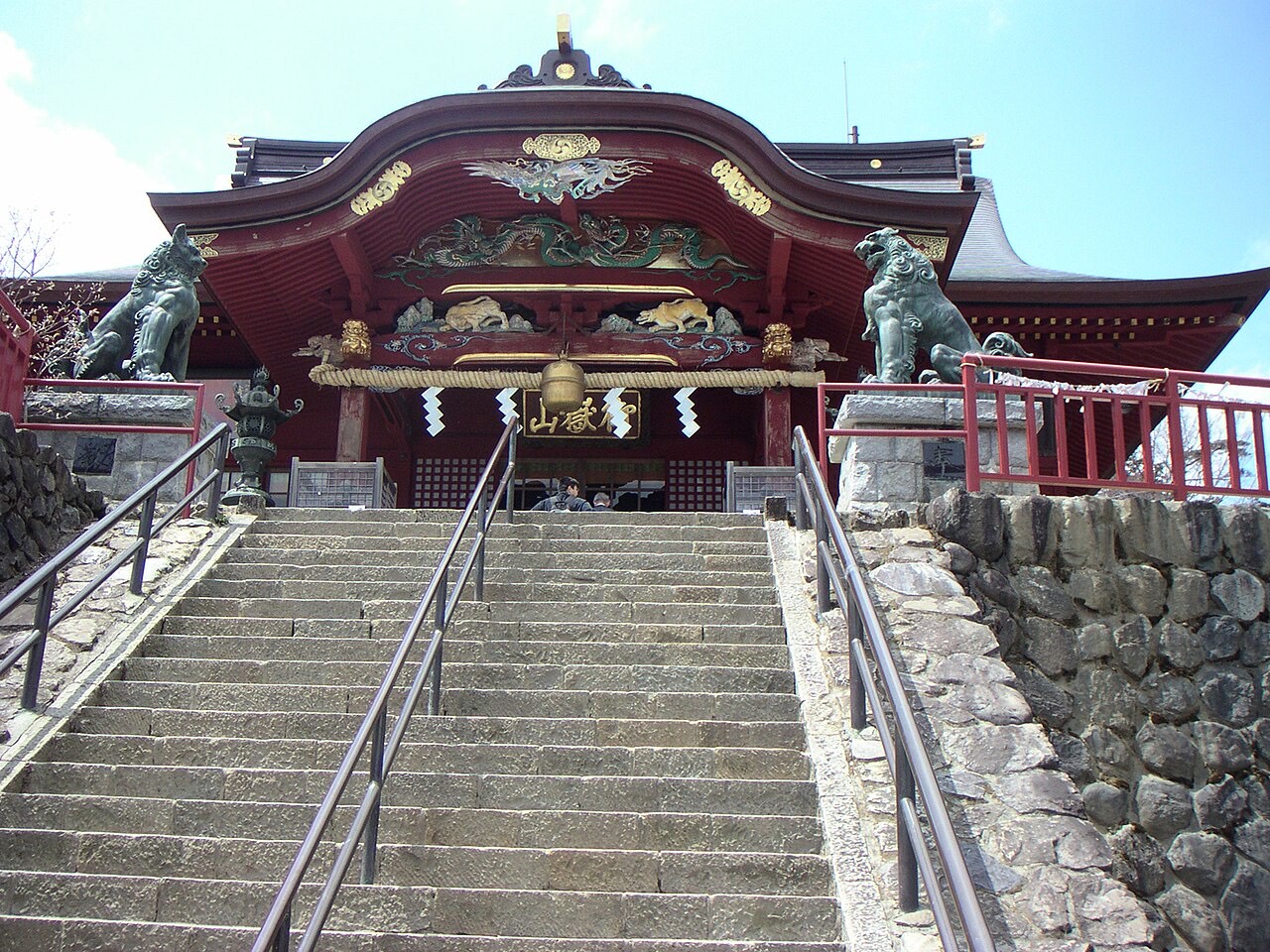
Musashi-Mitake Shrine武蔵御嶽神社
A shrine on a 929-metre summit looking out over the whole Kanto plain, reached through a village of pilgrim lodges from the cable car's top station. Its guardian is oinu-sama — the honourable wolf — and the shrine still blesses visiting dogs, who ride the cable car up alongside their owners.
View place →
-
-
Mitsukoshimae 三越前
-
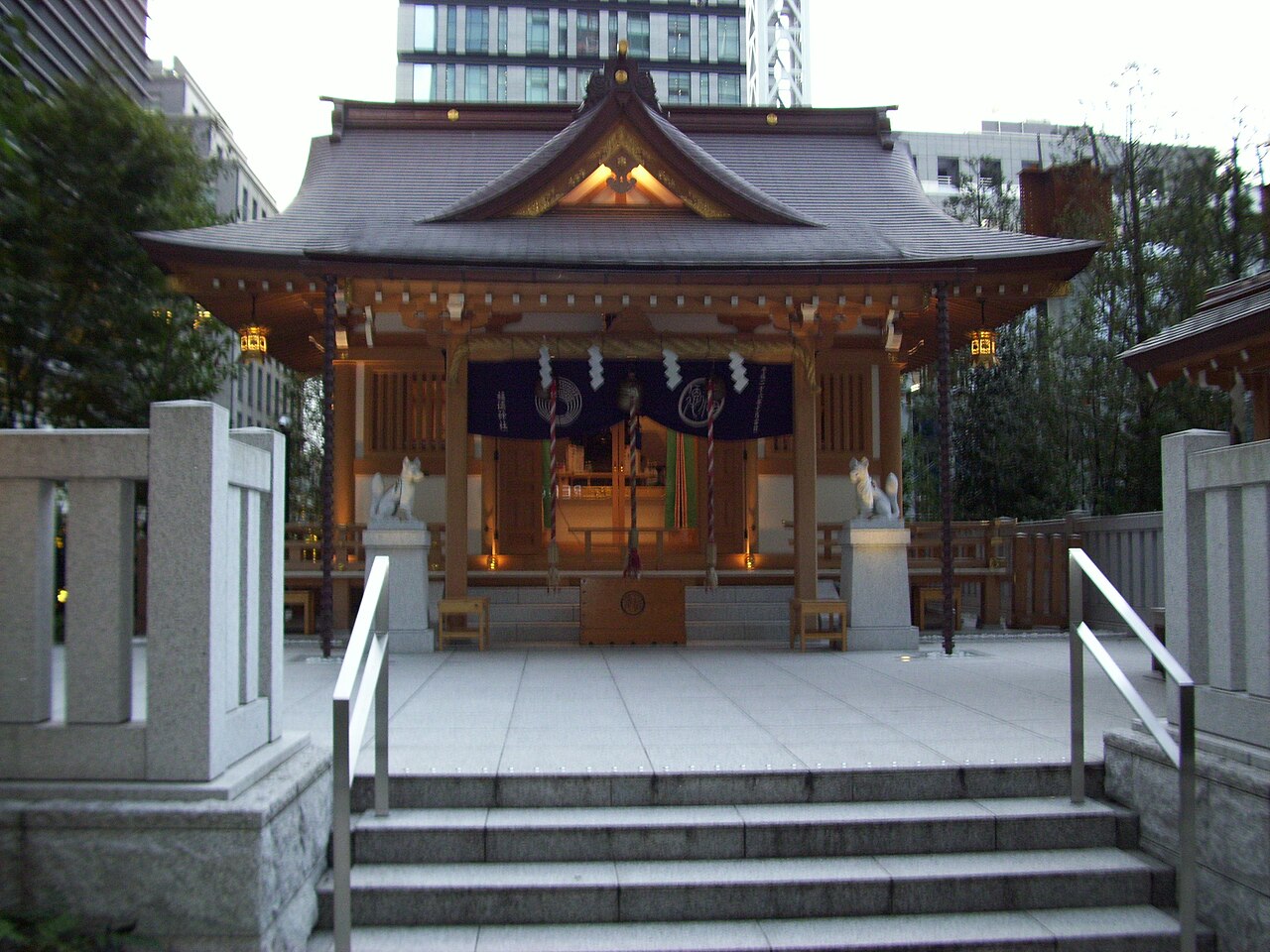
Fukutoku Shrine福徳神社
A thousand-year-old merchants’ shrine tucked glowing between glass towers.
View place →
-
-
Monzen-nakacho 門前仲町
-
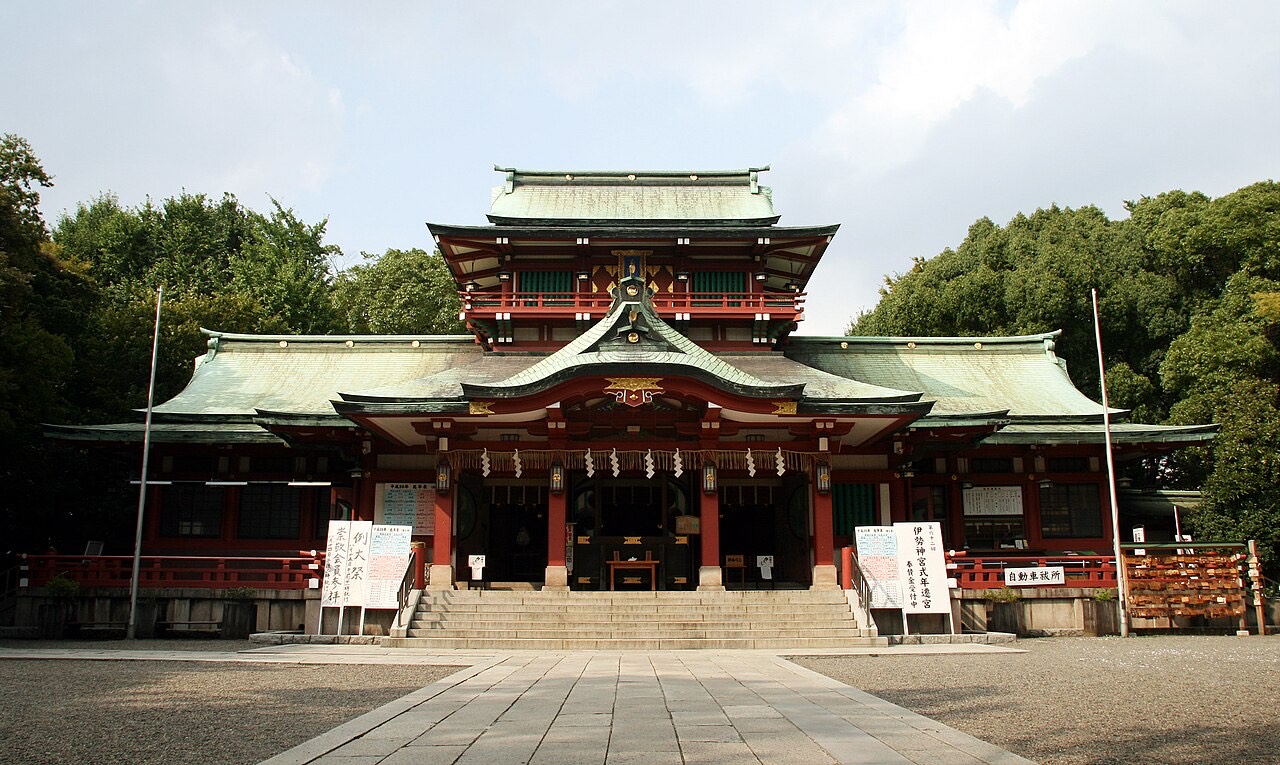
Tomioka Hachimangu富岡八幡宮
Edo’s licensed sumo began in this precinct in 1684, and a 20-tonne stone here carries the ring names of the yokozuna, recut at every promotion. The main hall is under hoarding for its big rebuild until mid-2027; the stones and the precinct are unaffected.
View place →
-
-
Nezu 根津
-
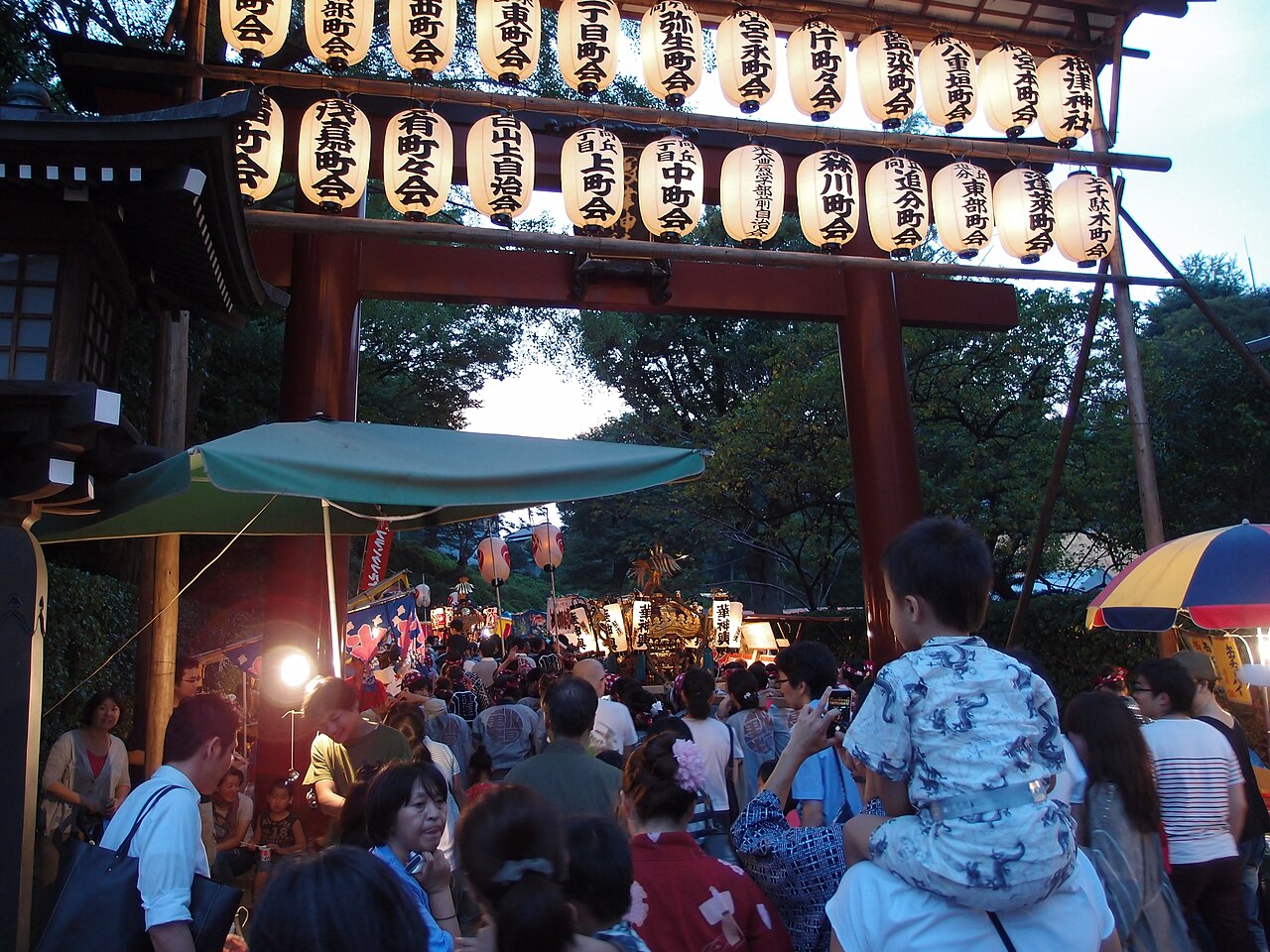
Nezu Shrine根津神社
A 1,900-year-old shrine with vermilion torii tunnels and 3,000 azaleas each spring.
View place →
-
-
Shinjuku-sanchome 新宿三丁目
-
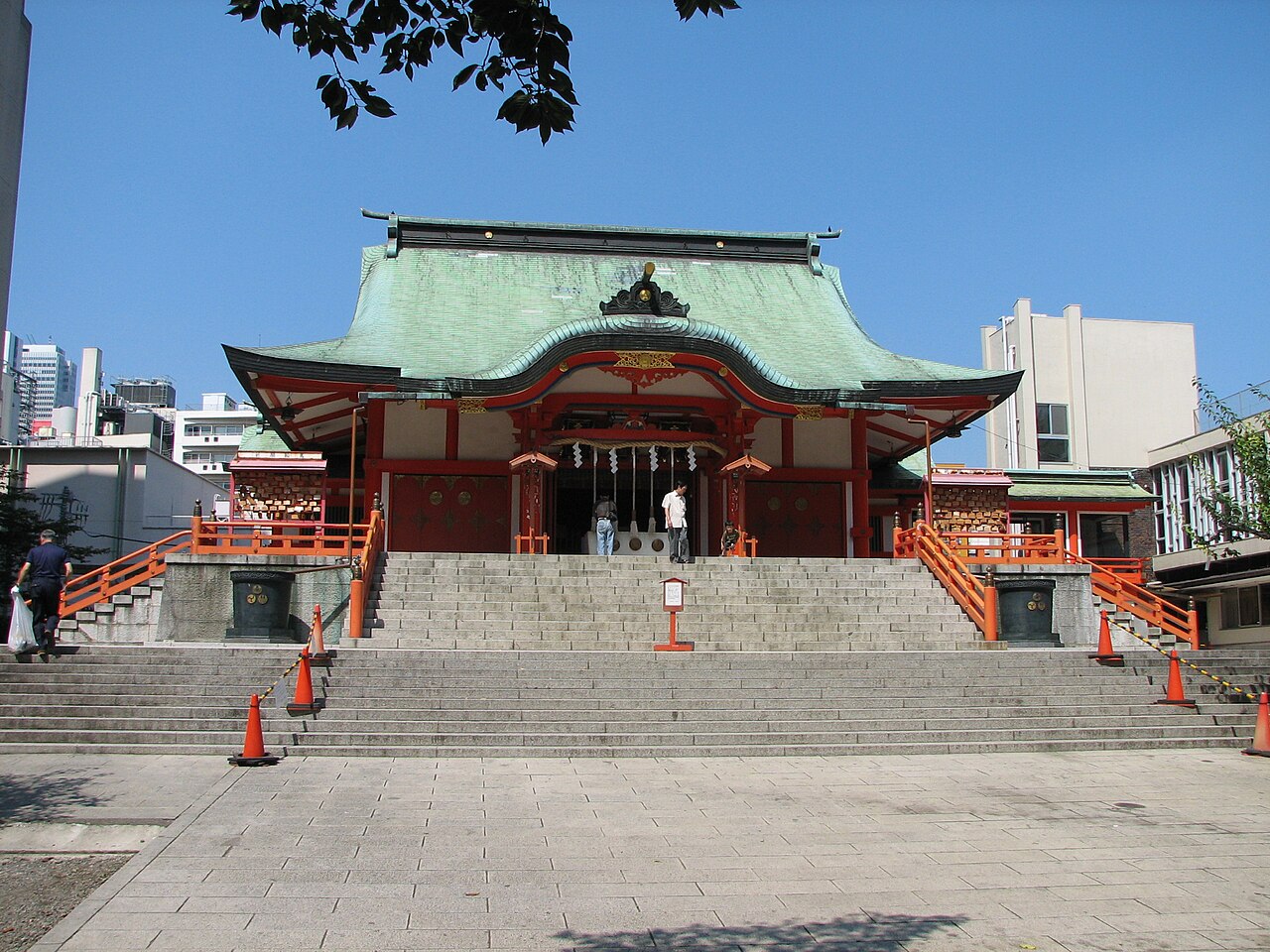
Hanazono Shrine花園神社
A 17th-century shrine hemmed in by high-rises; its November Tori-no-Ichi fair draws huge crowds.
View place →
-
-
Suitengumae 水天宮前
-
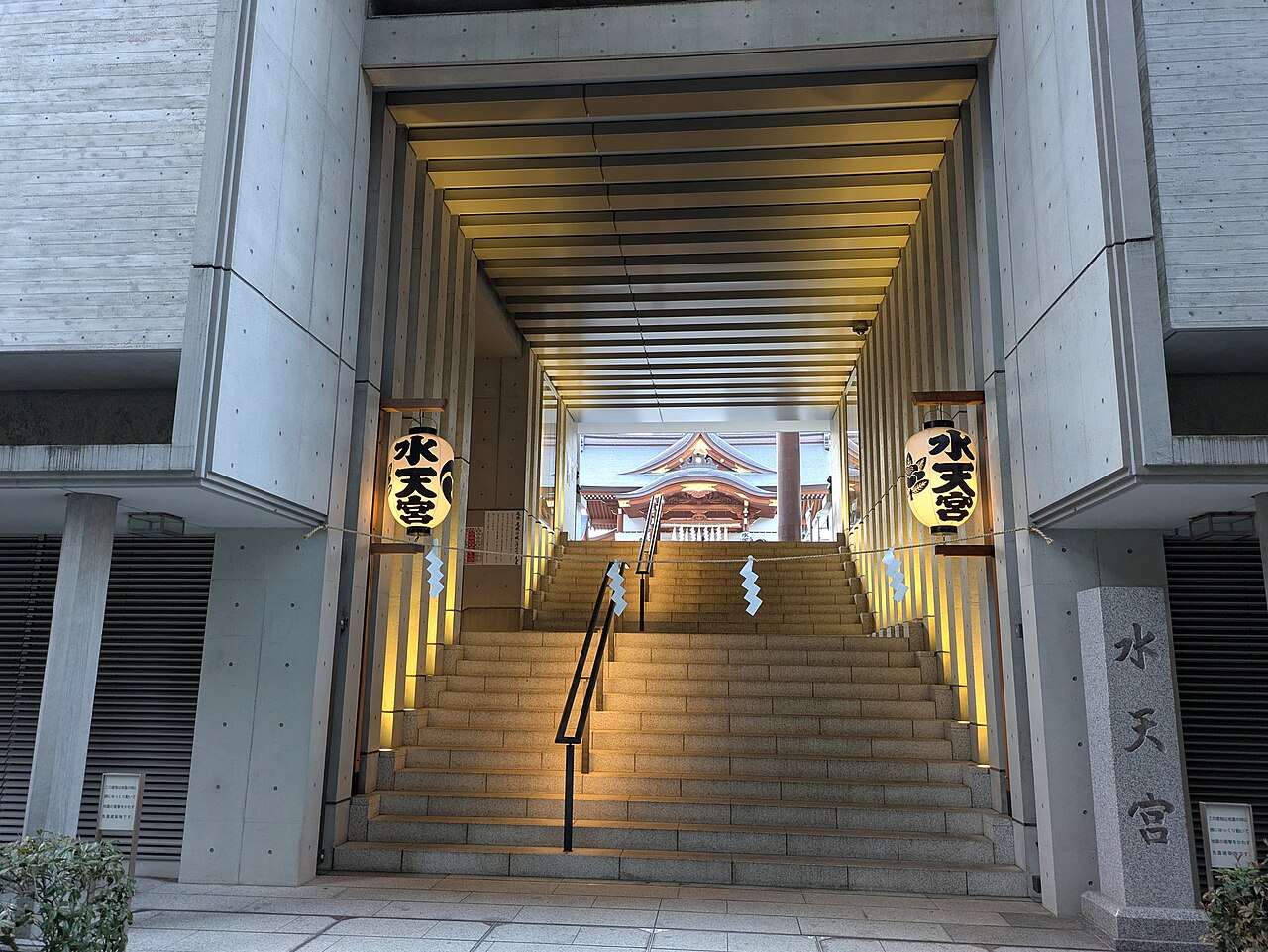
Suitengu水天宮
The shrine expectant parents visit — its dog statue is patted smooth for safe births.
View place →
-
-
Yushima 湯島
-
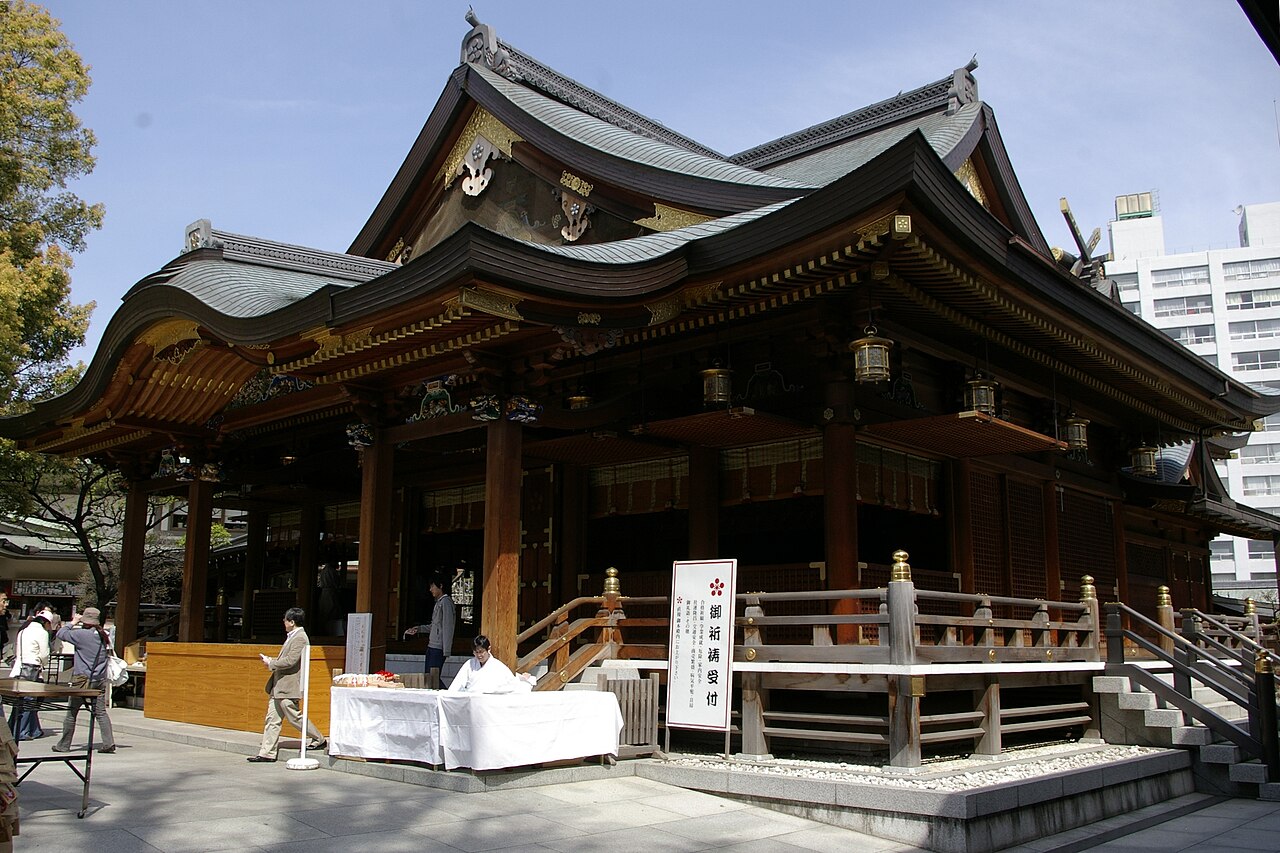
Yushima Tenmangu湯島天満宮
The scholars’ shrine — students’ prayers on ema boards under 300 plum trees.
View place →
-


Sights on this site come mostly from Tokyo’s official visitor guide; the stations we researched ourselves say so on their own pages. Sources